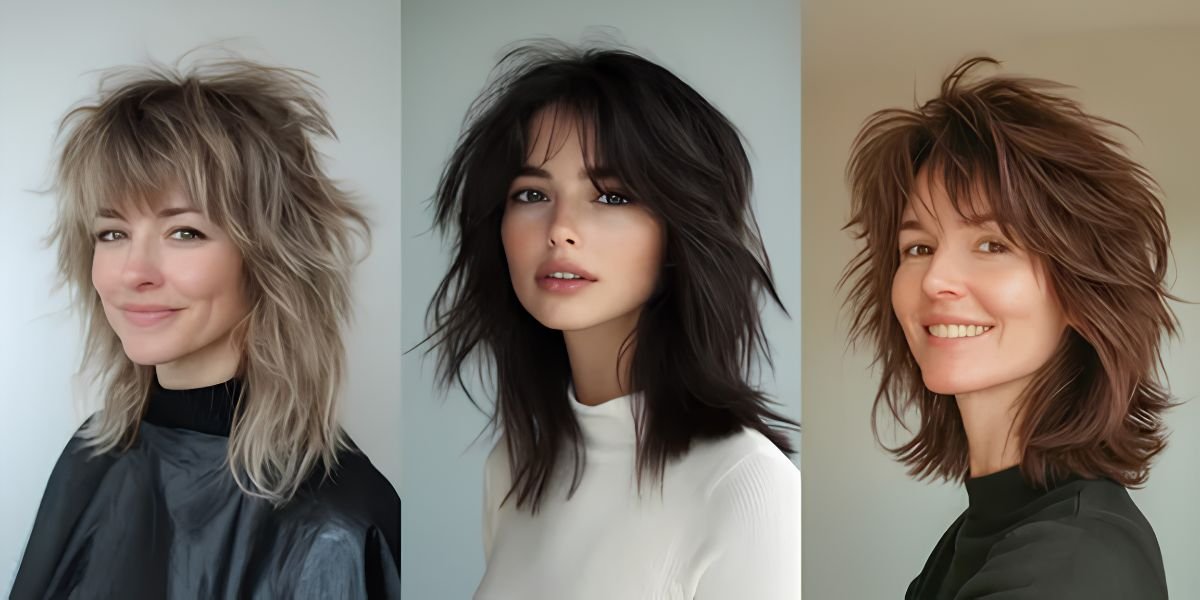
Straight hair might be the most underrated texture for pulling off a mullet.
There’s no curl pattern to hide sloppy cutting, no wave to soften a bad blend. Every layer shows. Every fade shows. That’s exactly why a modern mullet haircut looks so sharp on straight hair when it’s done right, and honestly a little rough when it isn’t.
This guide covers 20 real style variations, how to style each one at home, how to keep it looking fresh between barber visits, and the questions people actually ask before committing to the chair. No filler, just what you need to walk into your next appointment knowing exactly what to ask for.
Whether you’re after a subtle version you can wear to a job interview or something loud enough to turn heads at a concert, there’s a variation here built for it. Straight hair gives you a wider range than most people assume, from razor-sharp fades to soft, face-framing fringe. Read through a few options before you commit, since the right pick often comes down to small details like fade height or how much length you’re comfortable keeping in the back.
What is Mullet Straight Hair?
Mullet straight hair simply means a modern mullet hairstyle cut onto naturally straight strands, styled to work with that texture instead of against it.
The classic mullet from the 80s had one job: short in front, long in back, no blending required. The contemporary mullet haircut flips that formula. Barbers now use textured layers, tapered sides, and gradual fades to connect the short and long sections so the whole thing reads as one cohesive shape instead of two haircuts glued together.
Straight hair actually makes this easier to execute cleanly. Because the strands lie flat and show every cut line, a skilled barber can create crisp, clean lines that curly or wavy textures just can’t replicate the same way. You get definition without needing five products and twenty minutes every morning.
That said, straight hair does need a little help avoiding flatness. Without natural body, the top section of a mullet can look deflated by midday if you skip volume-building steps. We’ll cover exactly how to fix that later in this guide.
20 Modern Mullet Straight Hair Styles
Here’s where things get specific. Each of these styles pulls from the same basic mullet framework but changes the details enough to feel like its own look entirely.
Some are barely-there subtle. Others are loud enough to turn heads on the street. Find the one that matches your comfort level, your face shape, and how much time you’re willing to spend on it each morning.
Classic Modern Mullet
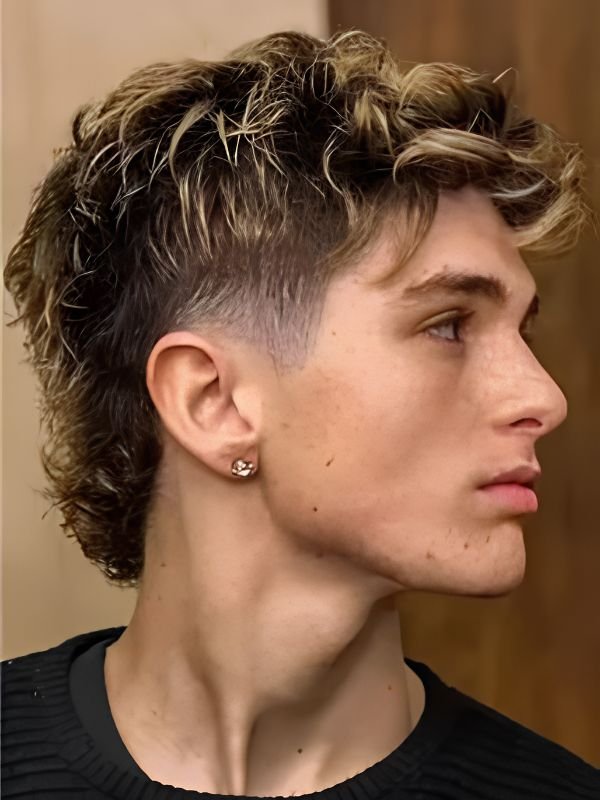
This is the mullet everyone pictures when they hear the word “modern.”
Short, tidy sides. A longer back section that tapers instead of stopping abruptly. The classic modern mullet keeps things simple by relying on smooth blending rather than dramatic contrast, which makes it the easiest entry point if you’ve never worn a mullet before.
On straight hair, this version looks almost architectural. The smooth transition between lengths reads as intentional, not accidental, and it works just as well walking into an office as it does grabbing coffee on a Saturday.
Textured Straight Hair Mullet
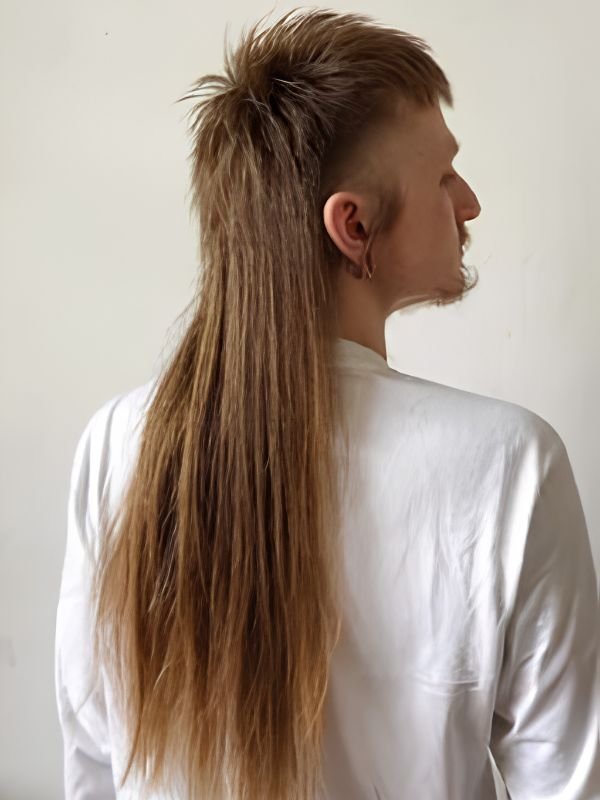
Textured layers are the fix for flat, lifeless straight hair.
Barbers create texture using point cutting or razor work, which breaks up the hair’s natural weight and gives it somewhere to move. Instead of hanging in one heavy sheet, the hair separates into pieces that catch light differently depending on the angle.
For straight hair specifically, this texture also helps products grip better. A little texturizing spray goes further on textured ends than it does on blunt ones, so you get more visual payoff from less product. It’s a small trade that makes a noticeably bigger difference than most people expect.
Taper Fade Modern Mullet
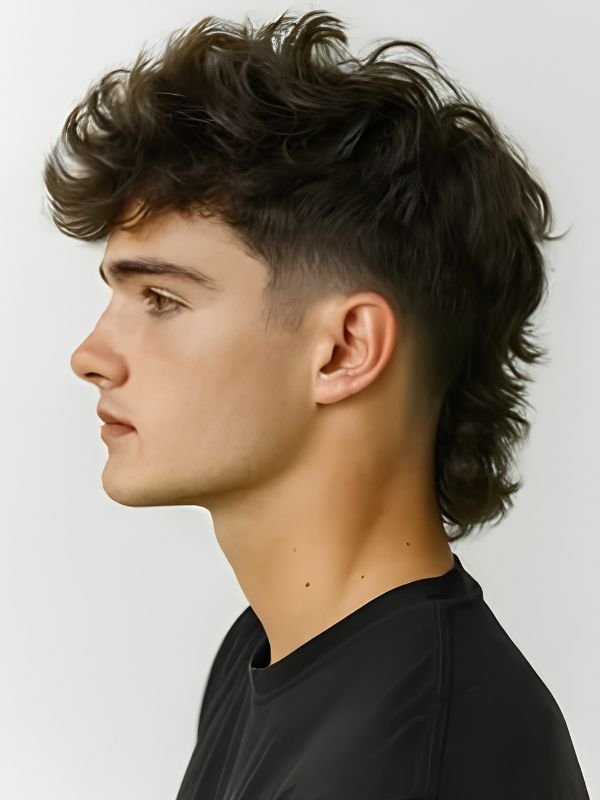
The taper fade modern mullet pairs a gradual fade on the sides with the traditional longer back.
Unlike a hard buzz cut, a taper eases from skin-close near the ear up into longer length toward the crown. There’s no visible line where one length stops and another starts, just a steady gradient that looks deliberate from every angle.
Straight hair shows off this fade mullet style especially well because the contrast between the tight sides and the fuller top reads with total clarity. It’s polished enough for work, edgy enough to still feel like a mullet.
Low Fade Straight Hair Mullet
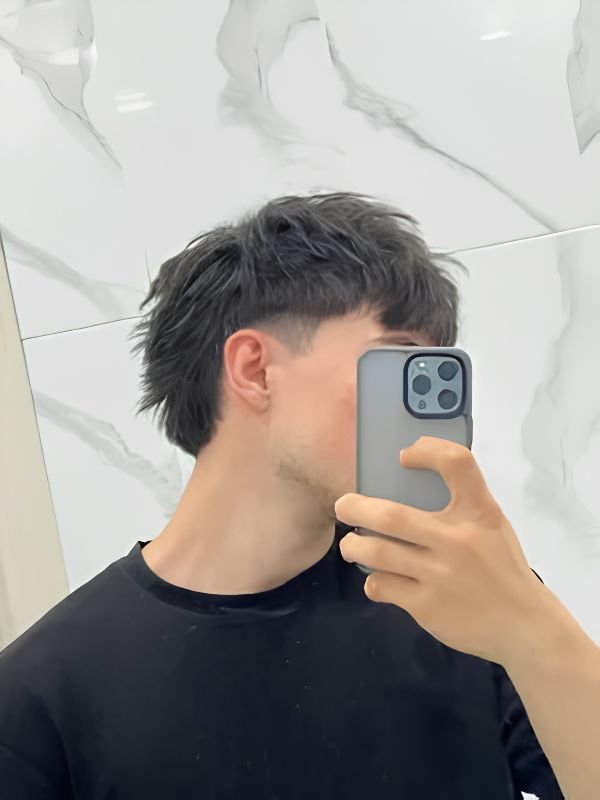
A low fade starts its blending much closer to the ear and neckline rather than climbing high up the sides.
This keeps more length around the temples, which softens the overall look compared to a higher fade. If you want the mullet silhouette without looking like you just left a barbershop chair with clippers still buzzing, this is the version to ask for.
Straight hair keeps this low fade mullet looking clean for longer between trims, since there’s less regrowth showing at the fade line compared to a high fade. It’s a practical pick if you’re not into monthly barber visits.
Short Modern Mullet
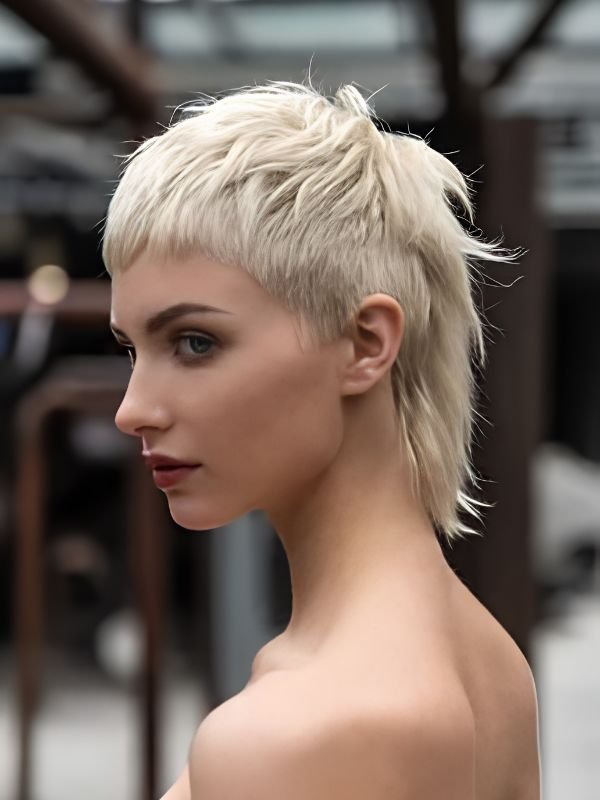
Not every mullet needs dramatic length in the back.
The short modern mullet keeps the length difference subtle. Just enough extra length in the back to hint at the mullet shape, without committing to anything close to shoulder-grazing hair. It’s the version most likely to fly under the radar at a conservative workplace.
This style suits fine straight hair particularly well. Thinner hair can struggle to hold shape once it gets long, so keeping things shorter overall helps the cut stay structured instead of stringy.
French Crop Mullet
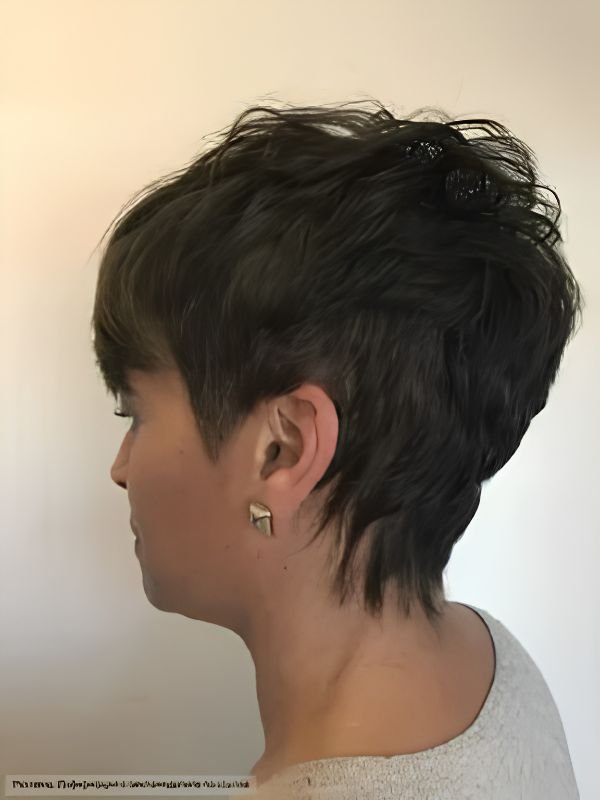
A French crop mullet blends the short, textured fringe of a French crop with the longer back of a traditional mullet. The front stays cropped short with a slight fringe pushed forward, while the sides taper down into a clean fade. The back keeps its length, creating a sharp contrast between the cropped front and flowing back.
Curly Top Mullet Fade (Straight Version with Volume Twist)
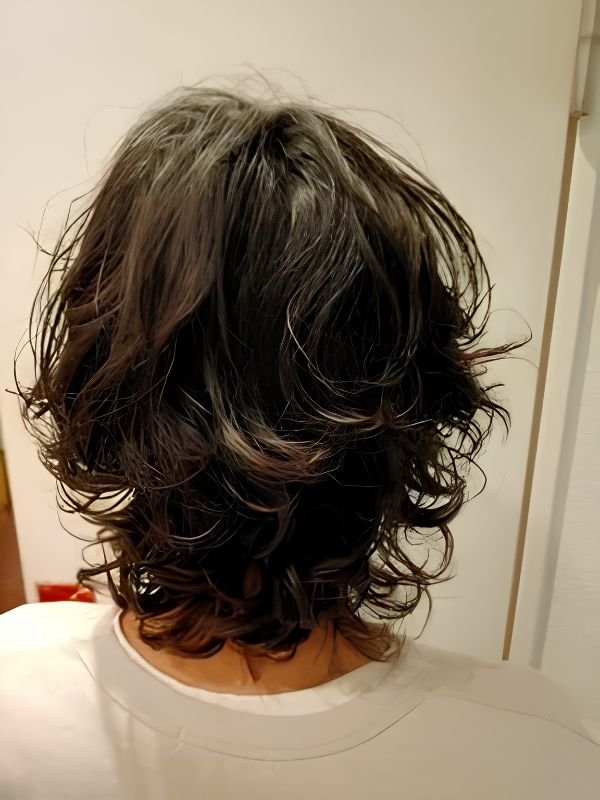
This version uses heavy blow-dried volume and a slight forward-brushed top to mimic a fuller, almost curly-looking silhouette, while sides stay faded and the back stays long and sleek. It’s a striking contrast between a voluminous, textured crown and razor-straight length in the back.
Business Mullet
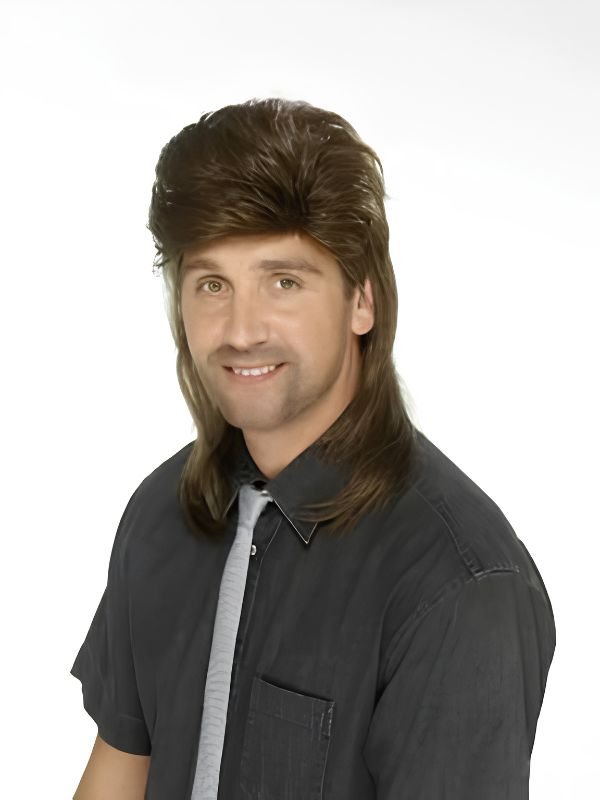
The business mullet keeps everything short and tidy at the front, sides neatly tapered, with only a modest length extension in the back, just enough to peek over the collar. It’s designed to pass as a normal professional haircut from the front while still carrying mullet DNA from behind.
Layered Straight Hair Mullet
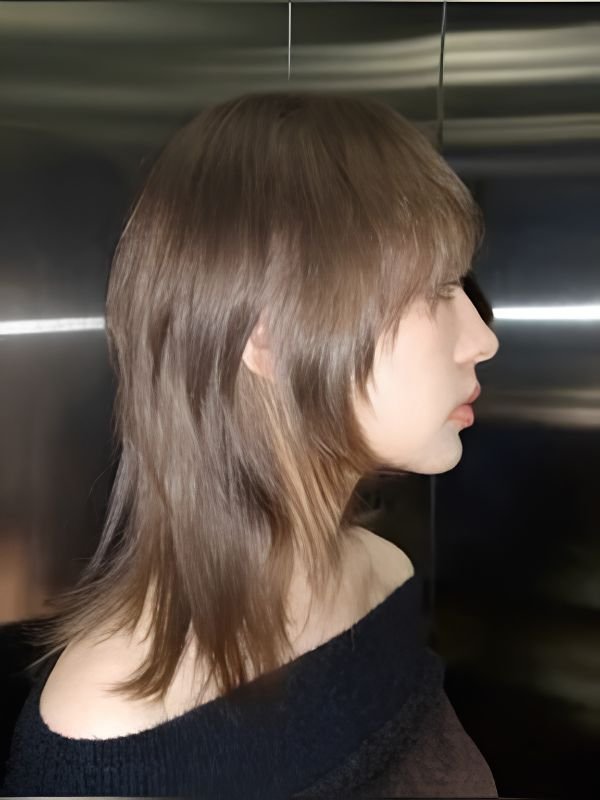
Layered mullet cuts use multiple length levels throughout the hair instead of one uniform length with a single transition point.
This creates depth. Straight hair, left unlayered, tends to sit heavy and flat, especially if it’s on the thicker side. Layers cut that weight down and let each section move independently, which gives the whole style a livelier, more dimensional look.
You’ll get the most out of this version if your hair falls somewhere in the medium hair to thick straight hair range. There’s enough density for the layers to actually separate and show, rather than collapsing back into one solid mass.
Messy Modern Mullet
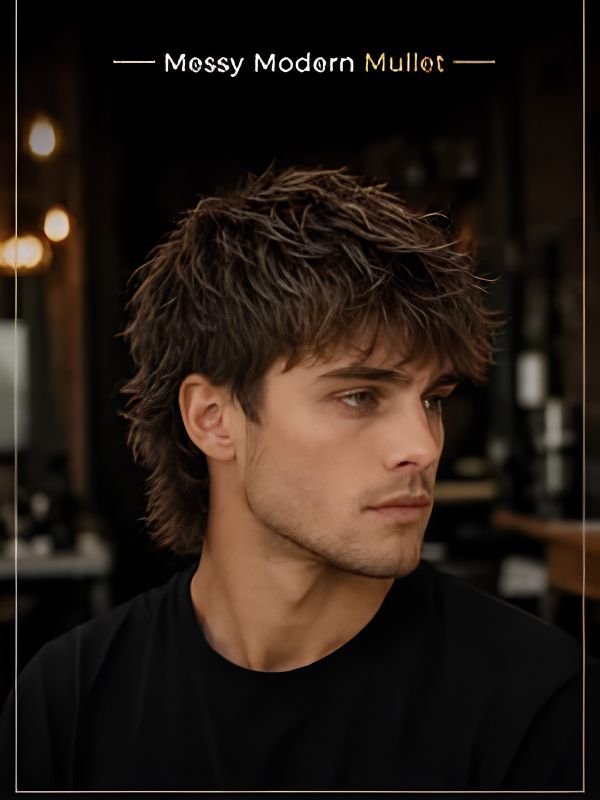
The messy mullet trades precision for a lived-in, just-woke-up-like-this vibe.
Barbers still cut clean layers underneath, but the styling goes in the opposite direction of polished. A little texturizing paste worked through damp hair, some finger-tousling instead of a comb, and you’ve got a messy texture that looks effortless even though there’s real technique behind it.
Straight hair actually holds this messy shape better than you’d think. Once you rough-dry it with your hands instead of a brush, the natural fall of straight strands keeps the separation looking intentional instead of chaotic.
Shaggy Mullet
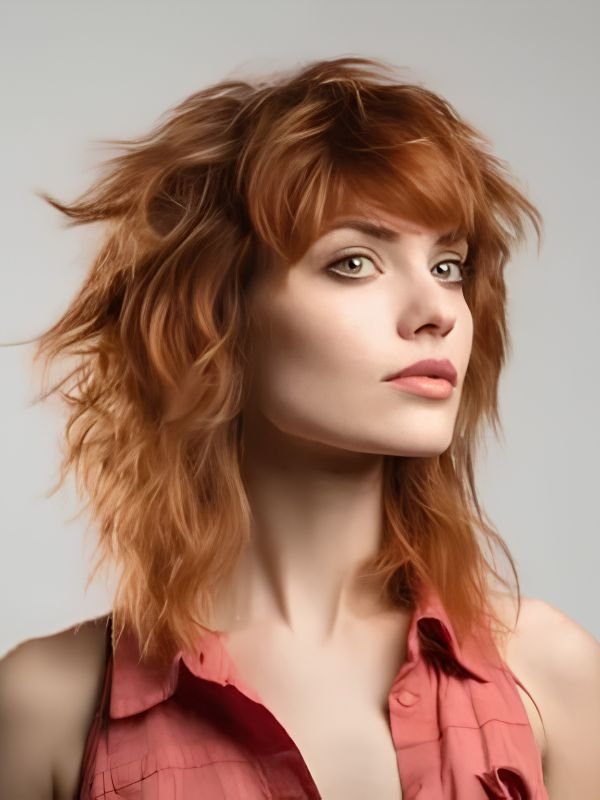
Think shag haircut meets mullet, and you’ve basically got it.
The shaggy mullet uses choppy layers throughout, often with a longer, wispier fringe up front. It’s less about clean lines and more about that loose, rock-and-roll energy the shag has always been known for.
This style genuinely shines on thicker straight hair, where there’s enough volume for the choppy layers to fan out properly. If your hair’s on the finer side, ask your barber to keep the layers a bit less aggressive so you don’t end up with visible gaps.
Middle Part Mullet
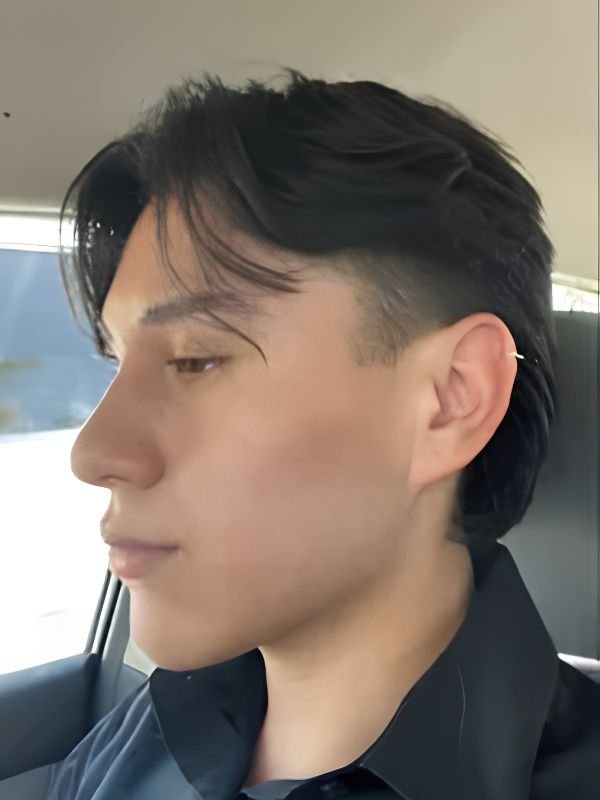
A center part changes the entire personality of a mullet.
Instead of pushing hair to one side, the middle part mullet splits it evenly down the middle, creating symmetry that naturally frames the face. It’s a small styling choice that makes a surprisingly big visual difference.
Straight hair holds a middle part cleanly without much effort, since there’s no curl fighting to pull the part back to one side. Add a touch of pomade near the roots to keep the part crisp through the day, and you’re set.
Undercut Mullet
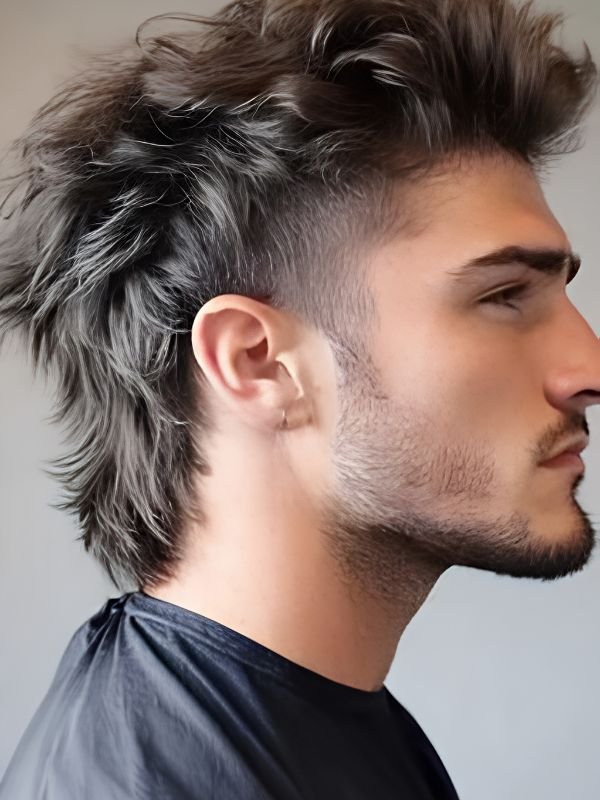
The undercut mullet takes contrast to the extreme.
Sides get buzzed down close to the skin, sometimes even shaved completely, while the top and back stay noticeably longer. There’s no fade bridging the gap here, which is exactly the point. It’s a statement cut, not a subtle one.
On straight hair, that contrast looks razor-sharp. The clean line between the shaved sides and the fuller top reads with total precision, which is part of why this undercut mullet version has become such a favorite for people who want their haircut to actually get noticed.
Soft Tapered Mullet
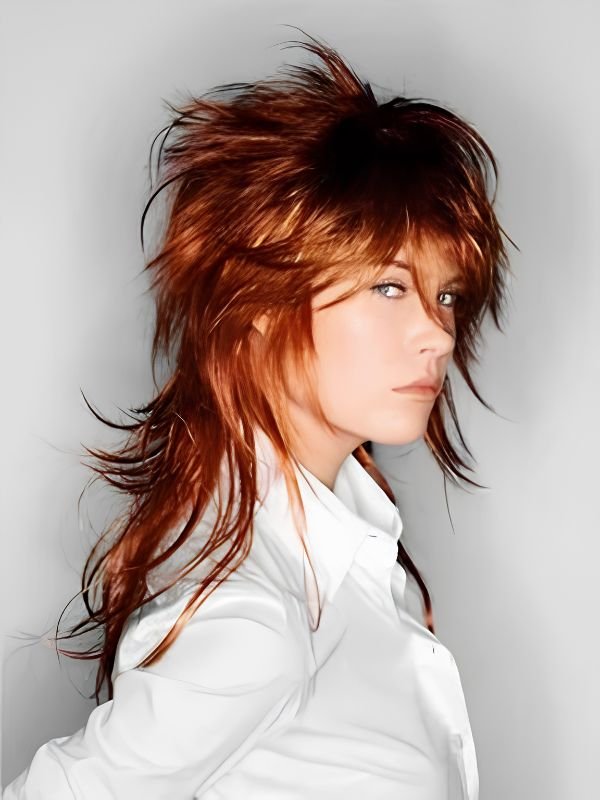
If the undercut mullet is the loud option, the soft tapered mullet is its quiet, well-mannered cousin.
Every transition here is gradual. Sides blend into the back, the back blends into the crown, and nothing about the shape screams for attention. It’s the mullet version of business casual, appropriate almost anywhere.
Straight hair makes these gentle transitions look genuinely seamless. There’s no texture fighting the blend, so the finished result looks smooth from every angle without much styling effort required.
Long Back Mullet
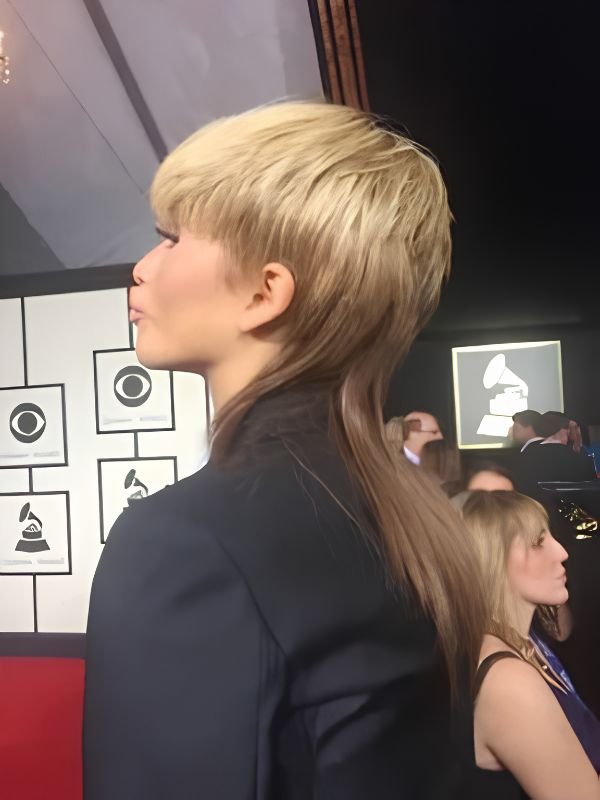
For people who want the classic 80s energy without the classic 80s awkwardness, the long mullet haircut delivers.
This version leans hard into length at the back, sometimes reaching well past the shoulders, while keeping the front and sides considerably shorter and more contemporary. It’s a bold, retro-leaning statement piece.
Straight hair carries this length beautifully thanks to its natural shine and clean fall. There’s no frizz working against the length, just a smooth curtain of hair that moves as one piece down the back.
Modern Mullet with Fringe
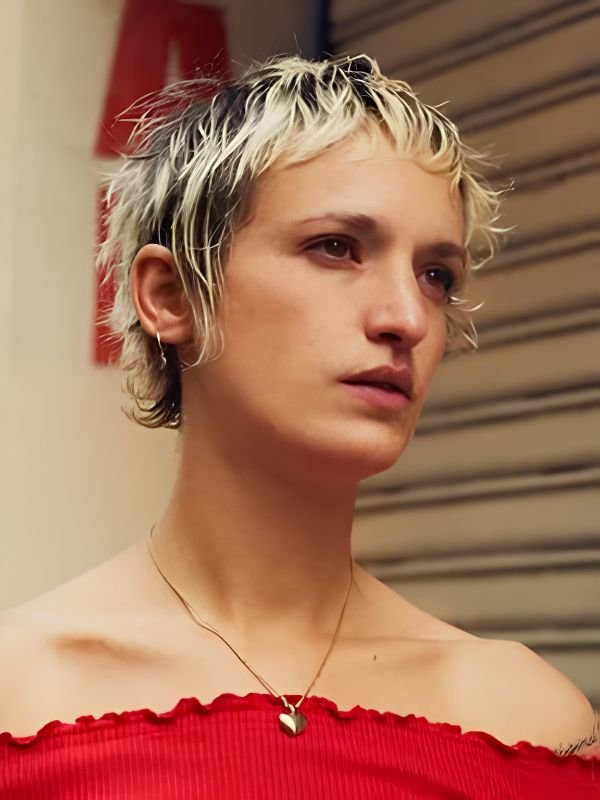
Adding a fringe to a mullet does double duty: it frames the face and adds personality up front.
The mullet with fringe typically features a soft, textured piece of hair falling across the forehead, sometimes swept to the side, sometimes left center-parted. It softens whatever’s happening in the back, whether that’s subtle or dramatic.
Face framing is the real advantage here. A well-placed fringe can balance out facial features, drawing attention toward the eyes and cheekbones instead of leaving all the focus on the length in the back.
Wolf Cut Mullet
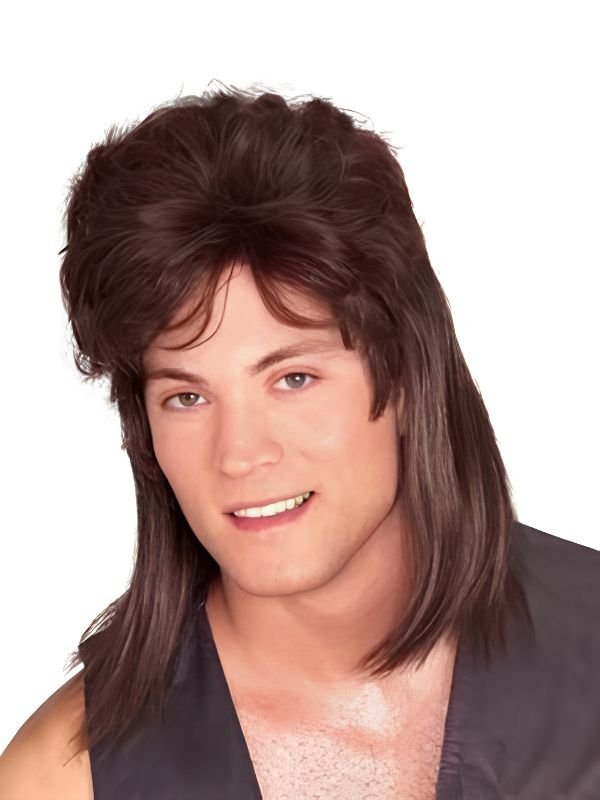
The wolf cut mullet is basically the internet’s favorite haircut of the last few years, and for good reason.
It combines shaggy, heavily textured layers with a mullet’s signature length difference, creating something that looks intentionally undone. Think rockstar-meets-runway, with volume piled on top and choppy pieces framing the face.
Straight hair takes especially well to this wolf cut mullet, since the layers catch light and create movement that flatter, single-length hair simply can’t produce. It photographs well too, which explains why it’s all over social media.
Slicked-Back Mullet
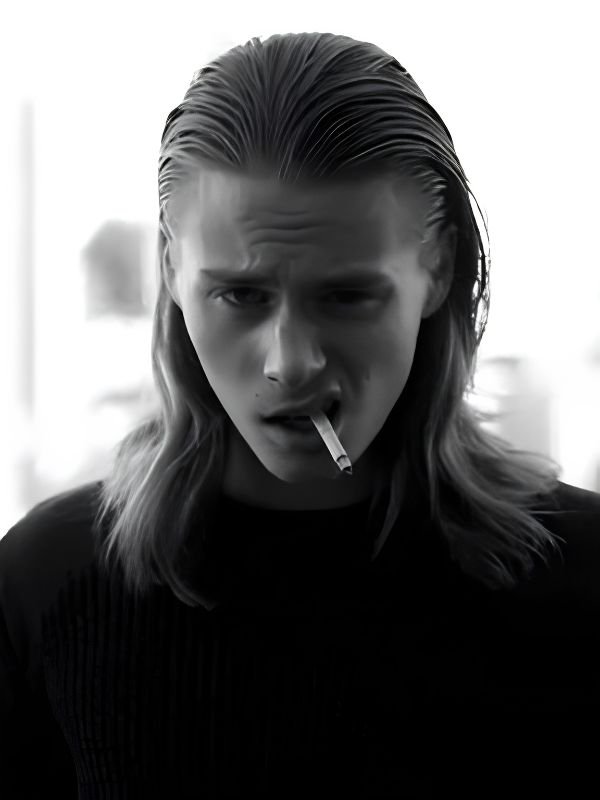
Sometimes the mullet’s best friend is a little pomade and a comb.
The slicked-back mullet pushes the top section straight back off the forehead, creating a polished, almost vintage-Hollywood look up front while the back retains its natural mullet length. It’s a sharp contrast between structured and relaxed.
Straight hair slicks down without a fight. No frizz, no flyaways rebelling against the styling cream, just a smooth, controlled finish that works surprisingly well for dressier occasions where a typical mullet might feel too casual.
Disconnected Mullet
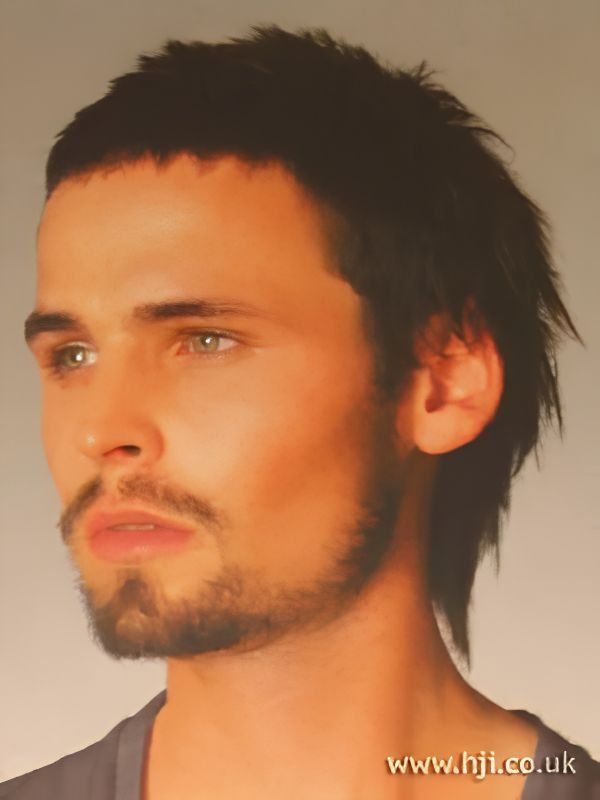
There’s blending, and then there’s the disconnected mullet, which throws blending out entirely.
Instead of a gradual fade linking the short sides to the longer top and back, this style creates a hard, visible line between the two lengths. It’s abrupt by design, and that abruptness is exactly what gives it edge.
Straight hair emphasizes that disconnect with total clarity. There’s nothing softening the transition, so the cut reads as bold and intentional rather than accidental, which is precisely the reaction this style is going for.
Subtle Modern Mullet
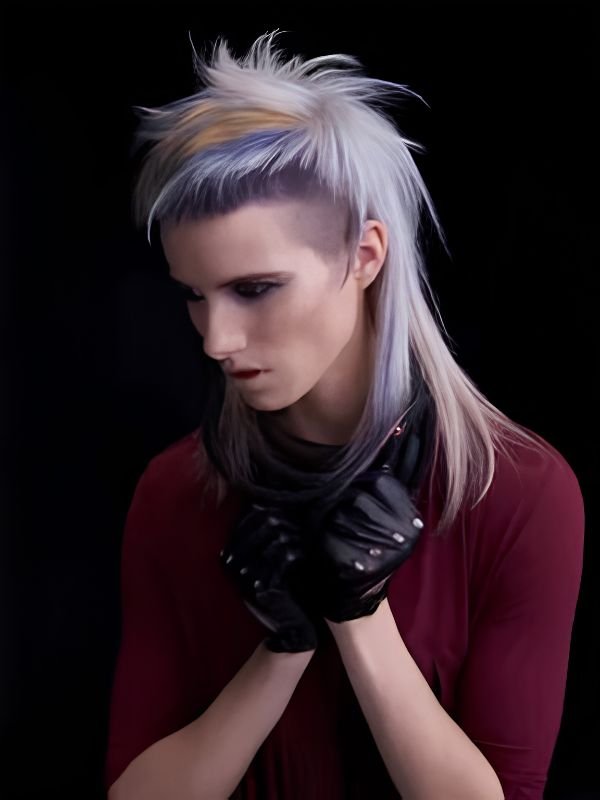
Not everyone wants their haircut to announce itself, and that’s fine.
The subtle mullet shrinks the length difference between front and back down to something barely noticeable unless you’re looking for it. It keeps the mullet’s DNA intact while staying wearable pretty much anywhere, including places with strict dress codes.
This is often the safest recommendation for anyone nervous about committing to the mullet look. Straight hair keeps the whole thing looking tidy, so even the subtle length variation still reads as a deliberate style choice, not an overdue haircut.
Voluminous Straight Hair Mullet
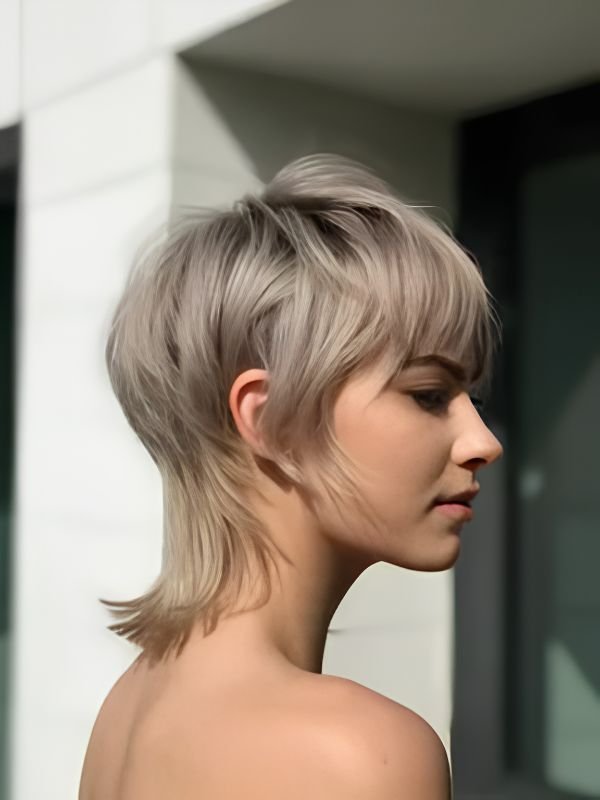
Volume doesn’t come naturally to a lot of straight hair, so this version builds it in on purpose.
The voluminous mullet relies heavily on blow-drying technique, usually with a round brush lifting the roots at the crown while the style dries. Combined with a lightweight volumizing product, this creates real height and fullness on top.
It’s a great pick if your hair tends to fall flat by early afternoon. The extra hair volume doesn’t just look good, it also gives the mullet shape more presence overall, especially when viewed from the side.
Curved Shape Mullet
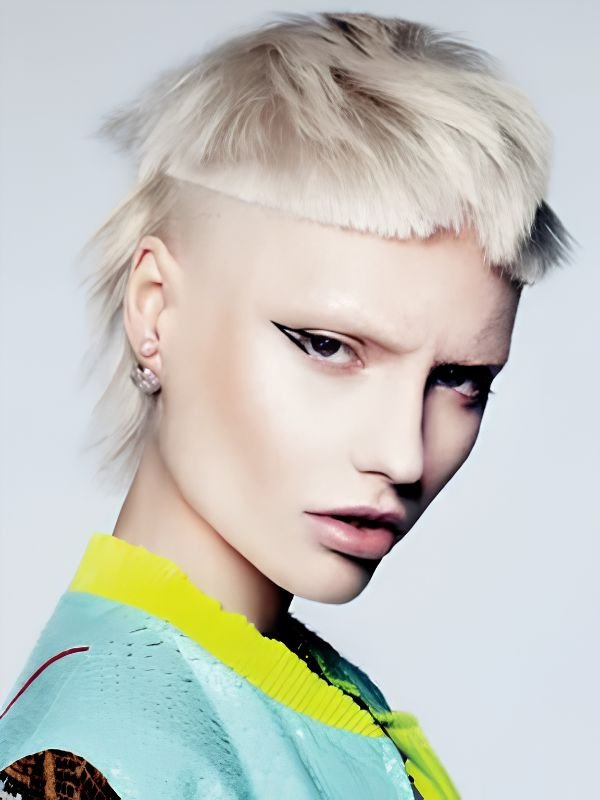
Most mullets fall in a fairly straight line down the back. This one doesn’t.
The curved shape mullet tucks the back section slightly inward, creating a rounded, sleeker silhouette instead of a blunt drop. It’s a subtle detail, but it changes the whole feel of the cut toward something more refined.
Straight hair holds this curve cleanly since there’s no competing wave pattern to fight the shape. A little smoothing serum after blow-drying helps lock the curve in place through the day without weighing the hair down.
Street Style Modern Mullet
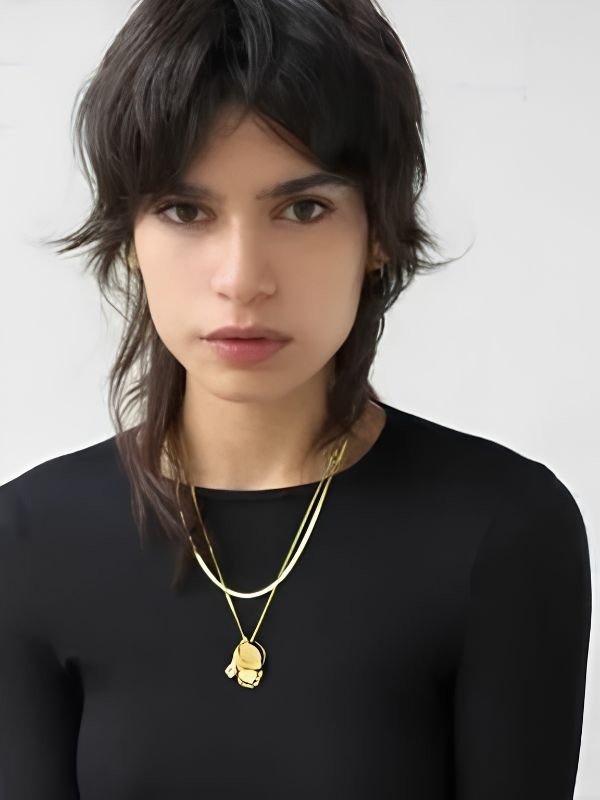
This is the mullet built for people who live in their haircut, not just wear it.
The street style mullet stacks together a fade, choppy layers, and deliberately undone styling into one loud, confident package. It borrows a bit from the wolf cut and a bit from the disconnected style, landing somewhere bold and unmistakably current.
Straight hair sharpens every element of this look, from the crispness of the fade to the visible separation in the layers. It’s become especially popular among younger trendsetters who want a haircut that photographs as well in motion as it does standing still.
How to Style a Modern Mullet with Straight Hair
Styling a mullet on straight hair really comes down to four habits. Nail these and you’re most of the way there.
None of them require a professional styling background. They just need a little consistency and the right products for straight hair’s specific quirks.
Use a Texturizing Product
Straight hair needs help creating movement that curly hair gets for free.
Work a texturizing spray or matte clay through damp hair before you style, focusing on the mid-lengths and ends rather than the roots. This breaks up the hair’s natural smoothness just enough to let individual layers show.
Skip this step and even a great cut can look a little one-dimensional. It’s a five-second addition to your routine that makes a real visible difference by the time you’re out the door.
Blow Dry for Volume
Flat top, flat mullet. That’s the equation you’re trying to avoid.
Use a round brush and blow-dry the crown section upward and slightly back while the hair is still damp. This lifts the roots and builds hair volume that straight hair otherwise won’t produce on its own.
Even thirty seconds of focused drying at the crown changes the entire silhouette of the cut. It’s the single most underrated step in styling a mullet, and the one most people skip when they’re rushing out the door.
Keep the Back Natural
Resist the urge to over-style the back section.
The longer back of a mullet generally looks best falling naturally, without heavy product weighing it down or excessive brushing flattening its shape. A light comb-through after washing is usually all it needs.
Overworking this section with gel or wax often makes straight hair look greasy rather than polished. Less really is more back here, letting the hair’s own natural movement do the work.
Add Light Messiness
A mullet that’s too perfectly combed can start to look stiff instead of stylish.
After you’ve built volume up top, run your fingers through the hair to break up any overly uniform sections. This creates natural-looking separation and keeps the overall style from feeling rigid or overly polished.
This step is especially important for the messier variations covered earlier, like the shaggy mullet or wolf cut mullet. A little imperfection is the whole point, so don’t be afraid to muss it up a bit after the blow dryer’s done its job.
Maintenance Tips for Modern Mullet Straight Hair
A great cut doesn’t stay great without a little upkeep. These four habits keep a modern mullet hairstyle looking sharp between barber visits instead of growing out into a shapeless mess.
Trim Regularly
Regular trims are non-negotiable if you want this cut to hold its shape.
Straight hair shows regrowth quickly since there’s no curl pattern disguising the transition zones between lengths. Left too long between visits, the sides start creeping toward the length of the back, and the whole mullet silhouette starts to disappear.
Most versions of this cut need attention every three to five weeks. Ask your barber which timeline fits your specific style, since some, like the subtle or short modern mullet, can stretch a bit longer between visits.
Use Lightweight Styling Products
Heavy products are straight hair’s enemy, especially on a cut like this.
Thick gels and waxes tend to weigh straight strands down, flattening the volume you worked to build during styling. Stick to lightweight wax, matte clay, or a light-hold styling cream instead, all of which offer control without the greasy weight.
A good rule of thumb: if your hair feels sticky or crunchy after applying product, it’s too heavy for this cut. You want texture and hold, not a helmet effect.
Wash and Condition Properly
Healthy hair holds a mullet’s shape better than damaged, over-processed hair does.
Wash with a formula suited to your hair’s actual needs, whether that’s volumizing for finer straight hair or moisturizing for thicker, coarser strands. Follow up with conditioner focused mainly on the ends, where dryness tends to show up first.
Skipping conditioner might seem like a shortcut to more volume, but it usually backfires. Dry, brittle ends make layers look ragged instead of intentionally textured, which undercuts the whole point of the cut.
Maintain the Back Length
When you go in for trims, be specific about what stays and what goes.
It’s easy for a barber to accidentally take a little too much off the back during routine maintenance, gradually shrinking the length difference that defines the mullet shape in the first place. A quick reminder before they start cutting prevents this.
Bring a reference photo if you’re not confident describing exactly how much length to preserve. It takes the guesswork out of the appointment and keeps your hair silhouette consistent over time.
Face Shape Considerations for a Straight Hair Mullet
Not every mullet variation flatters every face equally, and that’s worth knowing before your appointment.
Round faces generally do best with versions that add height, like the voluminous mullet or wolf cut mullet, since extra volume up top helps elongate the overall shape. A face-framing fringe can also help by breaking up width around the cheeks.
Square faces tend to look sharpest with softer, more textured styles rather than anything overly disconnected or blunt. The soft tapered mullet or classic modern mullet works well here, easing the strong jawline instead of emphasizing it further.
Oval and heart-shaped faces have the most flexibility of the bunch. Nearly every style on this list, from the undercut mullet to the slicked-back version, tends to suit these face shapes without much adjustment needed.
If you’re genuinely unsure which category fits, a quick conversation with your barber before the cutting starts goes a long way. They see hundreds of facial features a month and can usually spot the right fit faster than you’d expect.
Best Products for Straight Hair Mullets
The right product lineup makes styling faster and the results more consistent day to day.
Texturizing spray is worth keeping on hand for nearly every version of this cut. It adds grip to otherwise slippery straight strands, giving layers something to hold onto throughout the day.
Matte clay works best for anyone chasing a messier, more lived-in finish, like the shaggy or street style mullet. It offers strong hold without any shine, keeping the texture looking natural rather than product-heavy.
For sleeker versions like the slicked-back mullet, reach for pomade instead. It delivers the smooth, controlled finish those styles depend on without flaking or drying out over the course of the day.
Finally, a lightweight wax bridges the gap between the two, offering moderate hold and a bit of definition for versions like the classic modern mullet or soft tapered mullet that don’t need heavy styling to look finished.
FAQs-Modern Mullet Straight Hair
Is a modern mullet good for straight hair?
Yes, and it’s actually one of the better textures for this cut.
Straight hair shows off clean lines and smooth transitions far more clearly than curly or wavy textures do, which makes fades and layer work look crisp instead of muddled. The main tradeoff is that straight hair needs a bit more help creating volume, but that’s an easy fix with the right blow-drying technique.
What is the difference between a classic and modern mullet?
The classic mullet from the 80s relied on a hard, abrupt line between the short front and long back, with little to no blending involved.
The modern mullet softens that entirely using tapered sides, textured layers, and gradual fades that ease from one length into the next. It’s a more wearable, more intentional-looking version of the same basic idea.
How do you style a modern mullet with straight hair?
Start with damp hair and a texturizing spray, then blow-dry the crown upward with a round brush to build volume.
Leave the back section mostly untouched to preserve its natural fall, then finish with a small amount of matte clay or lightweight wax to define the layers up top. The whole process usually takes under ten minutes once you’ve got the routine down.
Is the modern mullet still trendy?
Yes, and it’s shown real staying power rather than fading as a passing trend.
Variations like the wolf cut mullet and street style mullet continue to show up across social media and in barbershops alike, largely because the cut’s versatility lets it shift from edgy to professional depending on how it’s styled. That kind of flexibility is exactly what keeps a haircut relevant year over year.
How often should a mullet be trimmed?
Every three to five weeks for most versions, though it depends on which style you’re wearing.
Shorter, subtler versions can sometimes stretch a bit longer between visits, while bolder cuts with more dramatic length contrast, like the long back mullet, tend to need more frequent attention to keep their shape looking sharp.
Conclusion
A modern mullet hairstyle on straight hair isn’t the bold gamble it might have been a decade ago.
Between the fades, the layering techniques, and the sheer number of variations covered here, there’s genuinely a version of this cut for almost anyone, whether you want something office-appropriate or something loud enough to stop people mid-conversation. The key is picking a style that actually matches your face shape, your hair density, and how much time you’re realistically willing to spend styling it each morning.
Bring a reference photo to your next barber appointment. Ask specific questions about hair length and fade height before the clippers come out. And give the cut at least one full grow-out cycle before deciding whether it’s really for you, since a lot of mullets look their absolute best once the layers settle in after a few weeks.