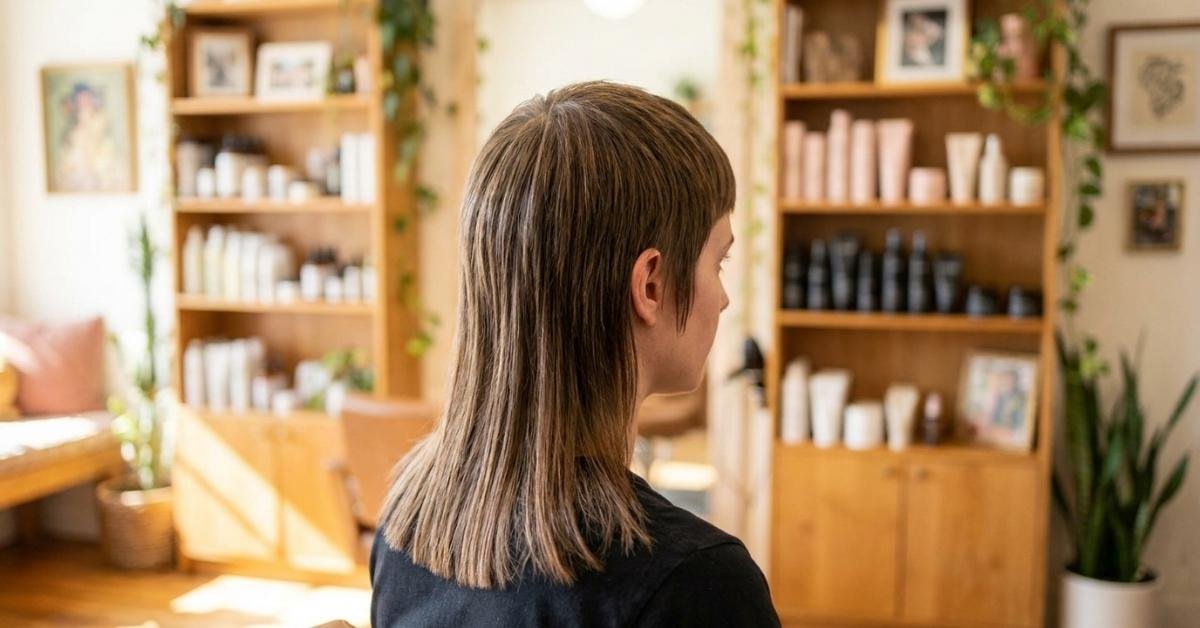
A straight hair mullet is one of the sharpest cuts you can wear right now. The shape is short on the front and sides, and longer at the back. Because straight hair shows every line, the cut looks clean when done well and obvious when it is not.
This guide covers what the cut is, ten styles to choose from, how to style it, which products work, and what to say to your barber. You will also find maintenance tips, advice for men, women, and girls, a wolf cut comparison, and face shape guidance.
What Is a Straight Hair Mullet?
A straight hair mullet is a haircut with shorter hair at the front, top, and sides, and longer hair through the crown and nape. Straight strands do not rely on curls for shape. The cut itself does all the work.
The key parts are:
- Length contrast: how much shorter the front and sides are than the back
- Layering: how much movement the back has
- Weight line: where the hair looks heaviest
- Nape transition: how the crown flows into the back
Change one of these and the whole look changes. That is why two people can both say “mullet” and leave with very different haircuts.
Why Straight Hair Is Perfect for a Mullet
Straight hair holds a cut line better than any other texture. A fade stays crisp. A blunt back stays sharp. A fringe falls exactly where the barber placed it.
Here is why it works so well:
- Clean lines: Every graduation and taper is visible.
- Easy control: Straight hair is simple to blow-dry and shape.
- Sleek contrast: The shiny, smooth back looks bold next to a textured top.
- Flexible length: It suits short, medium, and long versions.
There is one catch. Straight hair tends to lie flat, so the crown often needs lift. Layers and a little texture product solve this fast.
Straight Hair Mullet Variations
Pick the version that matches your hair thickness, daily time, and comfort level.
Classic Straight Hair Mullet
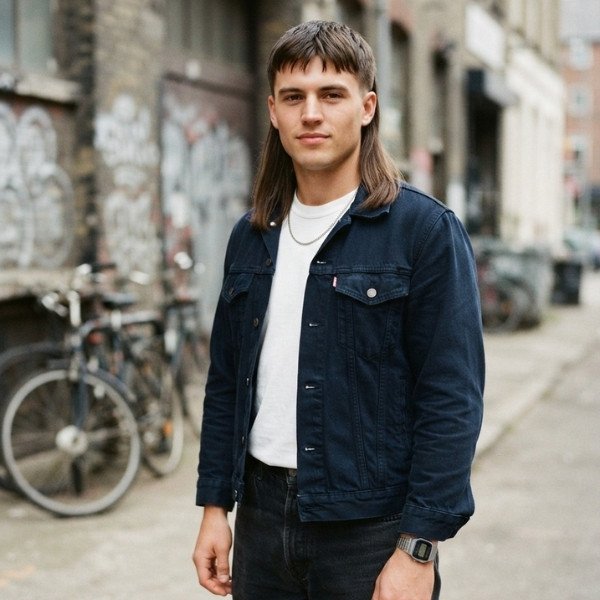
The original formula: short front and sides, long back. Keep the back at collar or shoulder length. Light layering adds movement so the back does not look heavy.
Modern Straight Hair Mullet
The modern version blends the lengths instead of cutting a hard line. Sides are tighter, the top has soft texture, and the back flows in a natural shape. It looks polished, not costume-like.
Straight Hair Mullet with Taper Fade
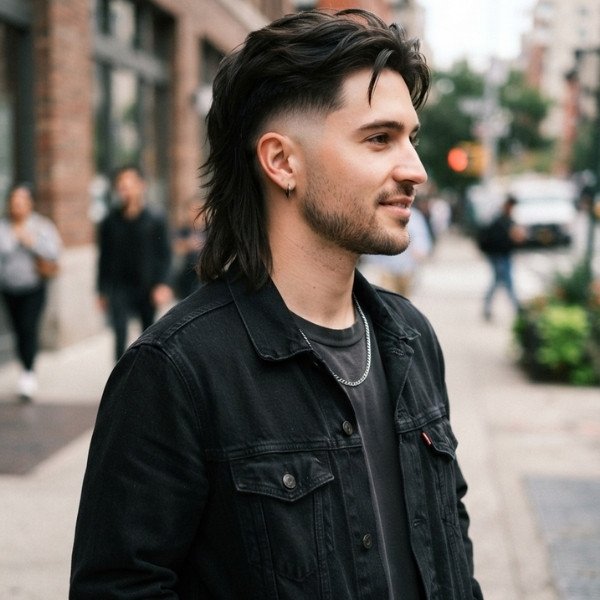
The sides gradually shorten toward the ear and neckline. A taper fade is more subtle than a skin fade, so it works in offices and schools. Ask for a natural blend into the longer back.
Low Taper Straight Hair Mullet
The low taper starts near the ear and follows the neckline. It keeps more hair on the sides, which gives a softer, more wearable look. It is a safe first step if you are new to mullets.
Straight Hair Mullet Fade
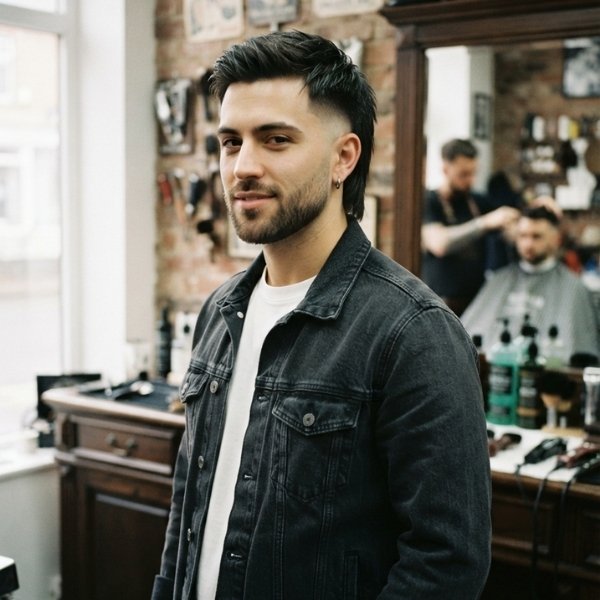
This version uses a mid or high fade to create a strong contrast between the sides and the long back. Skin fades look sharp and modern. They also need a trim about every 2 to 3 weeks.
Short Straight Hair Mullet
A short mullet keeps the back around collar length. It suits fine hair and anyone who wants a hint of the style. It is also the easiest version to grow out or correct later.
Long Straight Hair Mullet
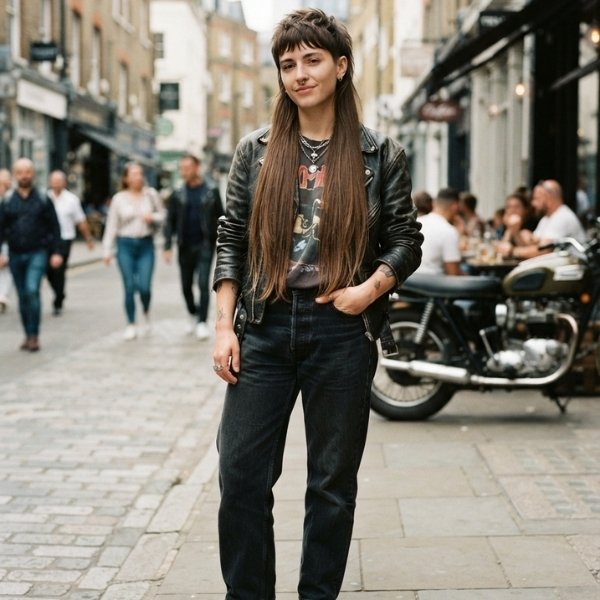
A long straight hair mullet lets the back fall past the shoulders. It works best on thick hair. On fine hair, the ends can look stringy, so keep some layers or trim the length slightly.
Layered Straight Hair Mullet
Layers add movement and remove bulk. This is ideal if your straight hair feels flat or heavy. Ask for face-framing layers on top and lightly feathered ends at the back.
Straight Hair Mullet with Fringe or Bangs

A blunt or curtain fringe softens the front and frames the eyes. Blunt fringe gives a sharp, graphic look. Curtain bangs look relaxed and suit most face shapes. Your fringe will need trimming every 4 to 5 weeks.
Straight Hair Shag Mullet
This hybrid mixes choppy shag layers with a mullet back. It has more texture and a lived-in feel. It works well on medium to thick straight hair and looks great air-dried with salt spray.
How to Style a Straight Hair Mullet
Styling takes about 5 to 10 minutes once you learn the routine.
- Wash and condition. Use a lightweight conditioner so the hair does not go limp.
- Towel dry gently. Do not rub. Pat the hair to reduce frizz.
- Apply a heat protectant. Use it if you plan to blow-dry.
- Blow-dry the top forward or up. Use your fingers to add lift at the crown.
- Add product. Work a pea-sized amount of clay or cream through the top and ends.
- Finish the back. Smooth the length with a little serum or leave it natural.
For a cleaner look, keep the sides neat and the back sleek. For a relaxed look, scrunch in salt spray and let it air dry.
Best Products for a Straight Hair Mullet
The right product depends on your hair type and the finish you want.
| Product | Best For | Result |
| Sea salt spray | Fine or flat hair | Texture and grip |
| Texture clay | Medium to thick hair | Matte, defined top |
| Styling cream | Daily wear | Soft, flexible hold |
| Blow-dry cream | Shape and control | Smooth blow-dry finish |
| Lightweight serum | Long back sections | Shine and less frizz |
| Heat protectant | Blow-drying or flat ironing | Less damage |
Tip: Use less product than you think you need. Straight hair gets greasy quickly, so start small and add more only if necessary.
What to Tell Your Barber for a Straight Hair Mullet
“Mullet” is a wide term. A photo helps, but clear words help more. Use this checklist:
- Sides: “I want a low taper” or “a mid skin fade.”
- Back length: “Keep it at my collar” or “shoulder length.”
- Blend: “Blend the top into the back” or “keep it disconnected.”
- Fringe: “Short and blunt” or “long enough to push back.”
- Texture: “Add layers through the crown so it does not sit flat.”
- Nape: “Rounded” or “square.”
Also mention your daily styling time. If you only have five minutes, say so. A good barber will adjust the cut to match.
Straight Hair Mullet Maintenance Tips
Good upkeep keeps the shape from turning messy.
- Trim on schedule: Every 3 to 4 weeks for fades, every 6 to 8 weeks for longer cuts.
- Protect the ends: Straight hair shows split ends quickly, especially in the back.
- Wash smart: Two to four times a week is enough for most people.
- Condition the length: Focus on the ends, not the scalp.
- Use a wide-tooth comb: It prevents tangles in the back.
- Limit heat: Use a protectant and keep tools on medium.
- Skip the DIY fade: Cutting your own taper is the fastest way to a patchy neckline.
Straight Hair Mullet for Men
Men often choose the taper or fade versions. They are clean, low-fuss, and easy to pair with a beard. A short or medium length works well for most jobs and schools.
Good options include:
- Low taper mullet for a subtle look
- Skin fade mullet for a bold contrast
- Layered mullet with a textured top for extra movement
If your hair is thin at the crown, keep the top slightly longer and add texture. This makes the hair look fuller.
Straight Hair Mullet for Women
For women, the mullet often appears as a soft, feathered version with more layers and less contrast. Curtain bangs, wispy ends, and face-framing pieces make it feel modern and feminine.
Popular choices:
- Shag mullet with choppy layers
- Long mullet with blended sides
- Short pixie mullet for a bold statement
Straight hair suits the sleek finish many women want. Add a shine serum to the back for a polished, glossy look.
Straight Hair Mullet for Girls
For girls, the best straight hair mullet is soft, simple, and easy to manage. Choose a short or medium length with light layers and a gentle fringe. Avoid heavy thinning or very short sides unless the child truly wants that look.
Practical tips:
- Choose a low-maintenance cut with soft layers
- Use a detangling spray after washing
- Avoid daily heat styling
- Let the child help choose the look, since comfort matters
Straight Hair Mullet vs. Wolf Cut
The two cuts are often confused, but they are not the same. A mullet focuses on length contrast. A wolf cut focuses on layers and volume.
| Feature | Straight Hair Mullet | Wolf Cut |
| Main idea | Short front, long back | Heavy layers all over |
| Sides | Often tapered or faded | Layered, not faded |
| Fringe | Optional | Usually included |
| Look | Structured, bold | Shaggy, tousled |
| Upkeep | Regular trims for the fade | Trims to maintain layers |
If you want a sharp, defined shape, choose a mullet. If you want soft, messy volume, choose a wolf cut. You can also ask for a wolf cut mullet hybrid, which mixes both.
Best Face Shapes for a Straight Hair Mullet
A skilled barber can adjust the cut to suit most faces. These are general guidelines.
- Oval: Almost any version works.
- Round: Add height on top and keep the sides tight to lengthen the face.
- Square: Soft layers and a curtain fringe soften strong angles.
- Heart: A side-swept fringe balances a wider forehead.
- Long: Choose a fringe and fuller sides to reduce length.
- Diamond: Add a fringe and keep volume near the cheeks and chin.
Conclusion
A straight hair mullet is bold, clean, and flexible. You can keep it subtle with a low taper, or go dramatic with a skin fade and a long back. The right choice depends on your hair thickness, your face shape, and how much time you want to spend styling.
Bring a photo, describe the sides, back length, and fringe clearly, and trim on schedule. With the right cut and simple care, this style looks sharp every day.
FAQs
Can you get a mullet with straight hair?
Yes. Straight hair is one of the easiest textures for a mullet because it shows clean lines and holds the shape well.
How long should straight hair be for a mullet?
Around 3 to 4 inches on top and enough length at the back to reach the collar. A longer version needs 6 inches or more.
Does a straight hair mullet need a fade?
No. A fade is optional. A taper, a blended cut, or a fully layered mullet all work.
How often should I trim a straight hair mullet?
Every 3 to 4 weeks for fades and every 6 to 8 weeks for longer, layered styles.
What products are best for a straight hair mullet?
Sea salt spray, texture clay, and a light styling cream give lift and hold without weight.
Is a straight hair mullet good for thin hair?
Yes, if you keep the back short and add layers on top. Avoid heavy thinning.
What is the difference between a mullet and a wolf cut?
A mullet contrasts short and long lengths. A wolf cut uses heavy layers for volume all around.