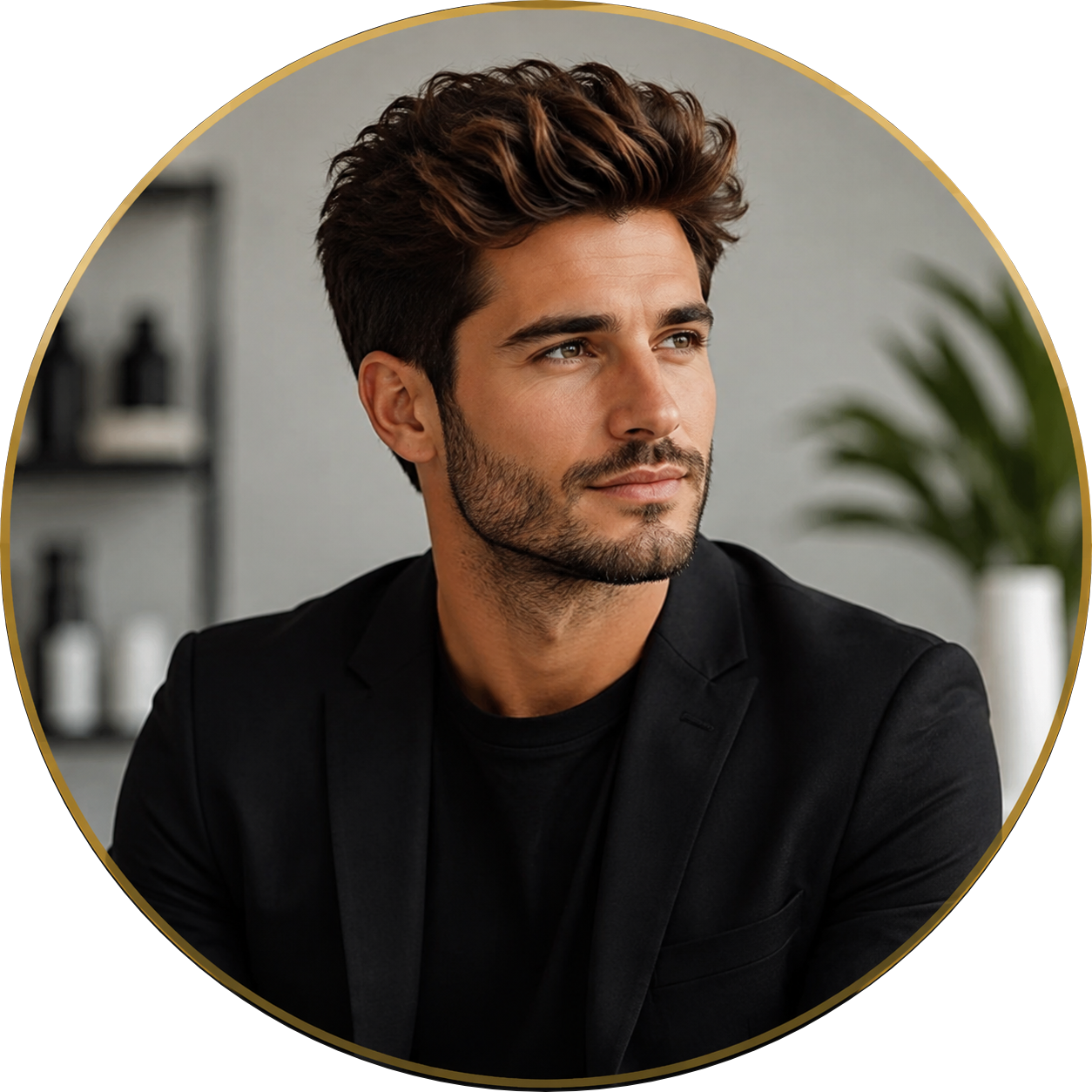
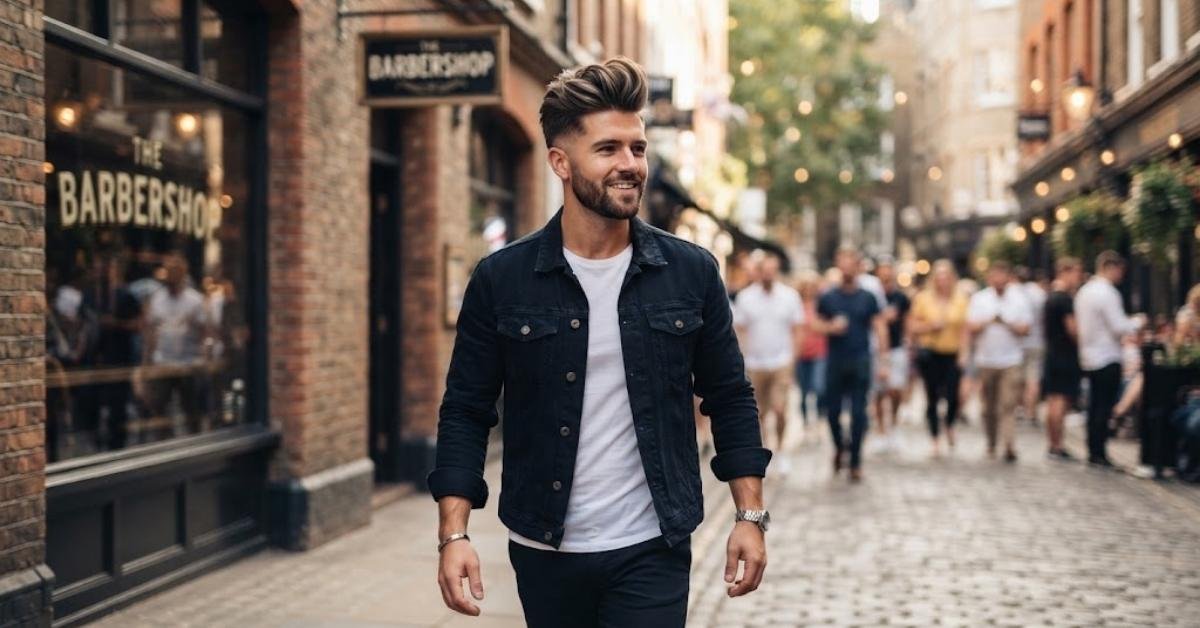
The quiff has stuck around for decades for a simple reason: it works. Part pompadour, part brush-up, this haircut takes short sides and pairs them with longer, lifted hair on top that sweeps upward and slightly back. The result is a shape that adds height, frames the face, and looks put together without trying too hard.
What makes the quiff so popular in 2026 is how flexible it has become. You are no longer limited to one “correct” version. Barbers now pair the classic silhouette with skin fades, tapers, textured crops, undercuts, and even curly or wavy finishes, so there is a quiff for nearly every hair type, face shape, and lifestyle.
Below, we break down 28 of the most wearable quiff variations men are asking for right now, along with what to tell your barber for each one. Whether you want something low-maintenance for the office or a bold, high-fade version for weekends out, you will find a style that fits.
Trendy Men’s Quiff Haircut Ideas
Each of the styles below builds on the same basic formula, shorter sides and back, longer volume on top, styled up and back. The difference comes down to length, texture, fade placement, and finishing product. Here is a closer look at 28 standout options.
Classic Quiff
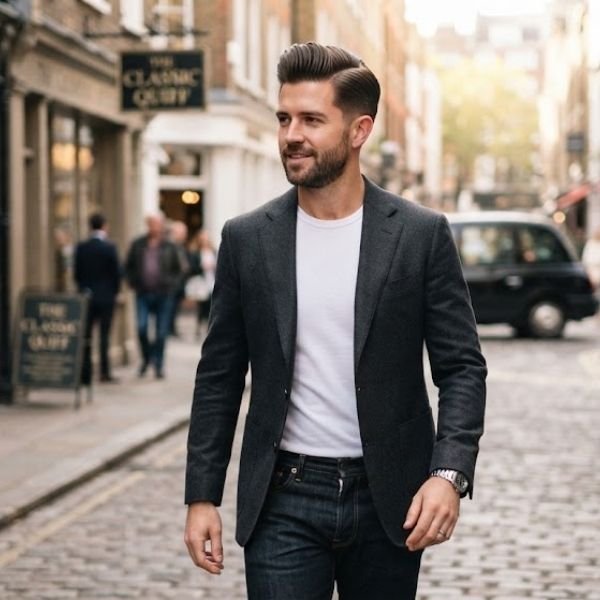
The classic quiff is the original template that every other version borrows from. Hair on top is grown out to a few inches, blow-dried upward at the roots, and swept slightly backward for a rounded, structured finish. The sides are kept short with scissors or clippers, but not necessarily faded, which gives the whole look a timeless, polished feel.
This version suits men who want a formal, put-together style for work or events. Ask your barber for a scissor cut on top with extra length left at the front hairline, paired with a clean, low taper on the sides. Finish with a strong-hold pomade for shine, or a matte cream if you prefer a softer look.
Messy Quiff
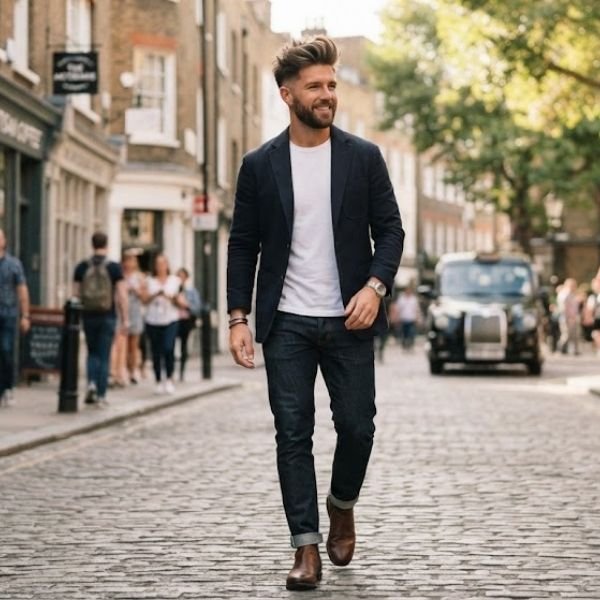
The messy quiff takes the same lifted shape and roughs it up. Instead of a smooth, uniform sweep, strands are pulled in slightly different directions using fingers and a matte paste or clay, creating a lived-in, textured finish. It reads as effortless, even though it still takes a few minutes of styling.
This is a great option for casual settings, creative workplaces, or anyone who wants a low-pressure version of the quiff. Ask for a textured cut on top with point-cutting or texturizing shears so individual strands separate easily when styled.
Textured Quiff
A textured quiff relies on layering and product to create visible separation between strands rather than one smooth block of hair. The texture gives the style extra fullness and a more natural, three-dimensional look, which works especially well on thick or wavy hair.
Ask your barber to leave the top medium length with heavy layering, then finish at home with a matte clay worked through damp hair before blow-drying upward. Straight hair can get the same effect with a texturizing spray before styling.
Modern Quiff
The modern quiff softens the sharp, retro edges of the traditional style. Instead of a stiff, glassy finish, hair is styled with movement and a slightly undone quality, often paired with a taper or low fade rather than a hard shaved line. It feels current without losing the recognizable quiff silhouette.
This version pairs well with a natural side part or slight asymmetry on top. Ask for medium length with soft layering and a taper fade for a look that transitions easily from casual to smart-casual.
Short Quiff
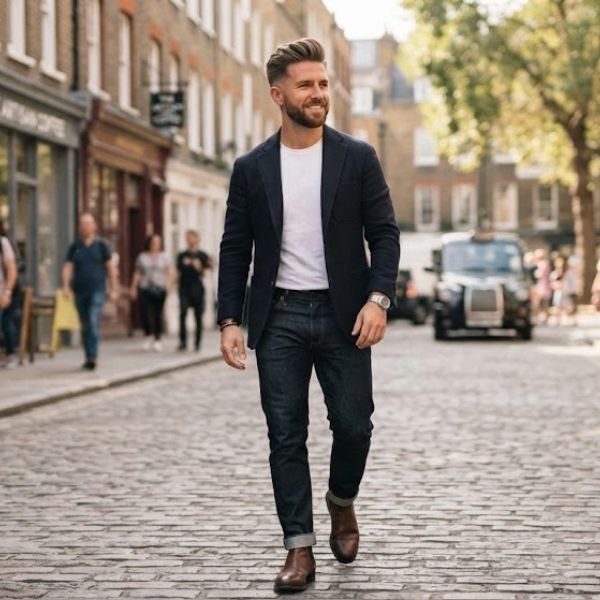
Short quiffs are ideal for men who want the shape of a quiff without much daily upkeep. The top is kept short enough that it needs minimal product to hold, while the sides stay tight and clean. It is one of the most practical variations for guys with busy schedules or fine hair that struggles to hold volume in longer lengths.
Ask your barber to keep the top around one to two inches, with a slight lift at the front. A small amount of matte paste is usually enough to finish it.
Quiff Fade
The quiff fade pairs longer, styled hair on top with sides that gradually shorten down to the skin. You can choose a low, mid, or high fade depending on how much contrast you want between the top and sides. A low fade looks subtle and works well for conservative settings, while a high fade creates a bolder, more dramatic silhouette.
For extra dimension, ask about pairing the fade with a drop, burst, or temple taper detail.
Medium Quiff
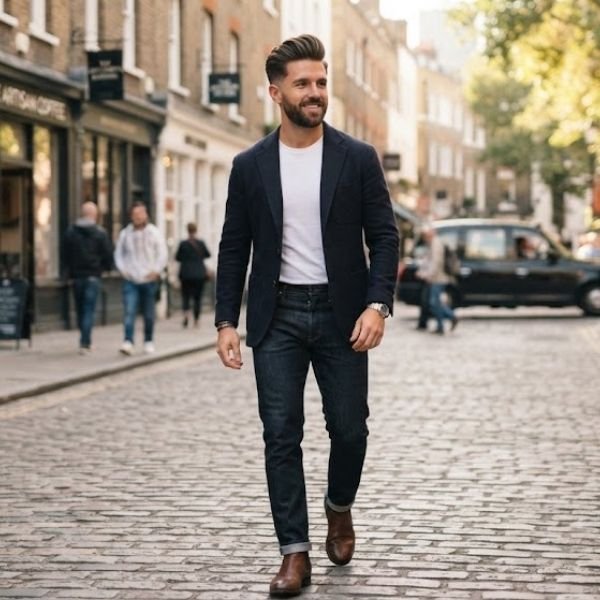
A medium quiff strikes a balance between the short and long versions, offering enough length on top to create real volume and movement while still being manageable day to day. It suits most hair types and gives you more styling options than a short quiff, without the extra maintenance that comes with longer hair.
Ask for two to three inches on top with layering throughout, paired with a taper or fade on the sides depending on your preference.
Quiff with Beard
Pairing a quiff with a well-groomed beard is one of the most reliable ways to add masculinity and balance to the overall look. The height on top and the fullness of the beard work together to frame the face, especially for men with a narrower or longer face shape.
Keep the beard neatly lined and trimmed to match the sharpness of your fade or taper. A textured quiff with a medium beard is a particularly popular combination right now.
Short Quiff with Low Taper Fade
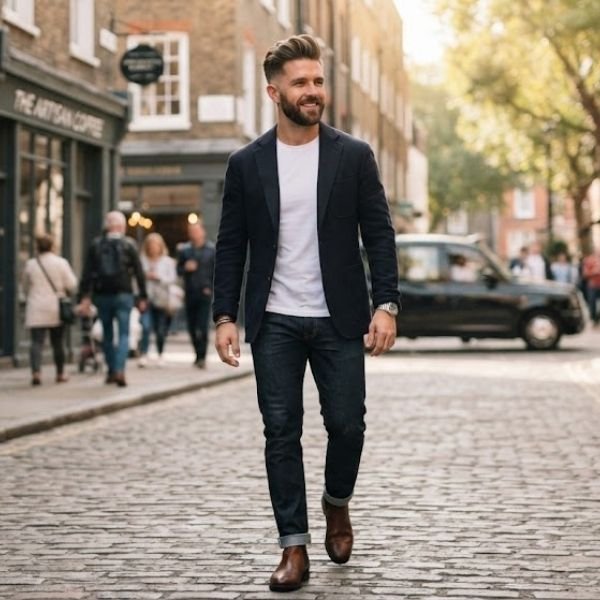
This variation keeps things clean and understated. A short quiff on top pairs with a low taper fade that stays close to the ear and neckline, so contrast is subtle rather than dramatic. It is a great choice for workplaces with more conservative grooming expectations.
Ask your barber for a low taper that blends gradually into the top, avoiding a hard visible line.
Tousled Textured Quiff with Low Fade
This look combines a naturally tousled top with a low fade for a style that feels relaxed but still intentional. The texturing on top creates movement, while the low fade keeps the sides tidy without drawing too much attention.
It works particularly well for wavy or thick hair types that hold texture naturally.
Wavy Quiff
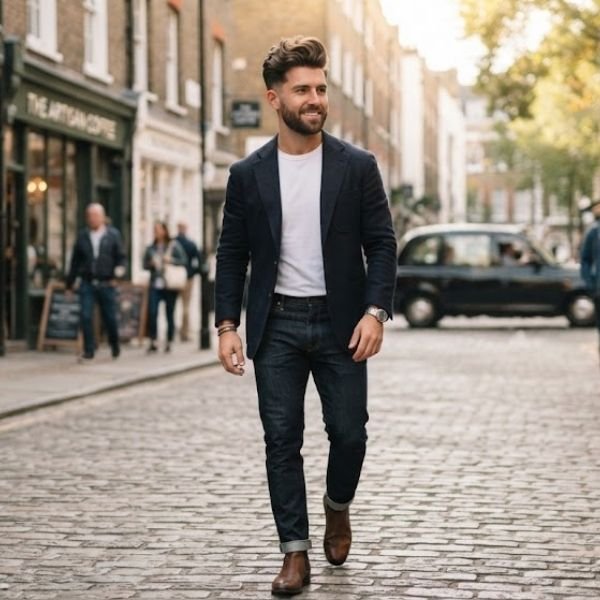
If your hair naturally waves, a wavy quiff lets you work with that texture instead of fighting it. The waves add extra volume and dimension to the classic lifted shape, so you often need less product to achieve fullness.
Ask your barber to cut with the wave pattern in mind, keeping enough length on top to let the natural movement show through.
Short Textured Quiff with Mid Fade
This variation keeps overall length short while still delivering texture and volume. A mid fade on the sides sits between subtle and bold, close enough to the scalp to look sharp without going as dramatic as a high fade.
It is a versatile option that works for both professional and casual settings.
Messy Quiff with Taper Fade
Combining a messy, textured top with a taper fade gives you a style with plenty of personality but still controlled edges. The taper keeps the sides looking neat, while the top delivers that deliberately undone quality.
Ask for texturizing on top and a taper fade that blends smoothly into the length above it.
Long Quiff
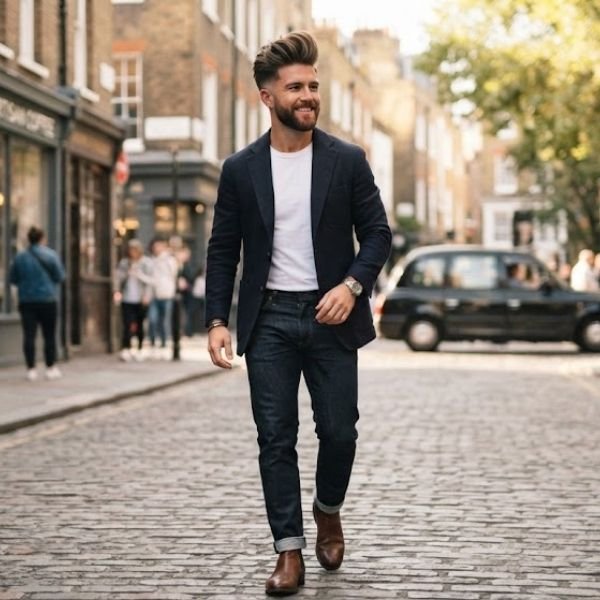
A long quiff is best suited to men who already have longer hair or want to grow it out. The extra length allows for a dramatic sweep and more styling versatility, though it does require more daily effort and product to maintain shape and hold.
Keep the sides shorter to maintain contrast, and use a stronger-hold product to control the extra length on top.
Thick Quiff Fade
Thick hair naturally holds more volume, which makes it well-suited to a fuller quiff paired with a fade. The fade helps manage bulk on the sides so the overall look stays balanced instead of appearing heavy all over.
Ask your barber about weight removal on top if your hair tends to feel overly dense or hard to style.
Full Textured Quiff with Low Skin Fade
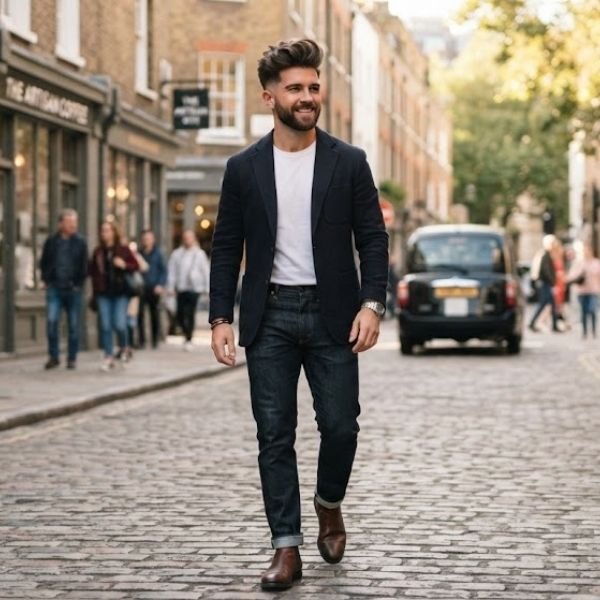
This is a fuller, more voluminous take on the textured quiff, paired with a low skin fade that tapers all the way down to bare skin at the hairline. The contrast is subtle since the fade sits low, but the closely shaved finish still adds a clean, modern edge.
Tousled Short Quiff with Low Fade
A shorter length combined with tousled styling and a low fade offers an easy, everyday version of the quiff. It requires less styling time than longer variations while still keeping that signature lifted front.
Messy Wavy Quiff with Low Taper
This style leans into natural wave patterns, combining them with a messy finish and a low taper for subtle contrast on the sides. It is a strong option for men who want texture and movement without much daily styling effort.
Natural Quiff with High Fade
Here, the top is styled to look as natural as possible, minimal product, soft movement, while the sides are cut with a high fade for maximum contrast. It is a striking combination of low-key styling on top and bold detailing on the sides.
Undercut Quiff
The undercut quiff pairs a sharply shaved or very short undercut on the sides with a much longer, more dramatic sweep of hair on top. The contrast between the two lengths is more extreme than a standard fade, which makes this version feel edgier and more fashion-forward.
Youthful Short Quiff with Drop Fade and Beard
A drop fade curves downward behind the ear rather than staying level, adding a modern twist to a traditional fade. Paired with a short quiff and a light beard, this combination feels current and works especially well for younger men or those with rounder face shapes.
Textured Quiff with Sharp Fade
This variation pairs heavily textured hair on top with a crisp, high-contrast fade on the sides. The sharpness of the fade balances the softer, more relaxed texture up top, creating a style that looks intentional from every angle.
Edgy Blonde Quiff
Adding a lighter color, whether a full bleach job or subtle highlights, gives the quiff an edgier, more fashion-forward feel. Blonde tones tend to draw more attention to the texture and shape on top, so this works best paired with a well-defined fade or taper.
Long Quiff Fade
Combining longer length on top with a fade on the sides creates strong contrast and plenty of styling versatility. This version needs regular maintenance to keep the fade crisp as the top continues to grow.
Straight Smooth Quiff with Mid Skin Fade
For men with straight hair who prefer a sleek, glass-like finish rather than a textured one, this version uses a smoothing cream or light-hold gel to create a clean sweep on top. The mid skin fade adds just enough contrast without overwhelming the smooth top.
Curly Quiff
Curly hair adds natural volume and texture, which pairs beautifully with the quiff’s lifted shape. Rather than fighting the curl pattern, this version works with it, using curl-defining cream to enhance shape while still lifting the front upward.
Pompadour Quiff
This hybrid style borrows the height and volume of a pompadour while keeping the softer, more relaxed front sweep of a quiff. It is a bolder, more voluminous option for men who want extra presence without going fully retro.
Textured Fringe Quiff
Here, the front fringe is left slightly longer and heavily textured, then styled forward and upward rather than swept fully back. It creates a softer, more youthful take on the quiff that still keeps the signature lift.
Disconnected Quiff
A disconnected quiff creates an intentional, visible contrast between the length on top and the sides, often skipping the gradual blend of a taper or fade in favor of a sharper cutoff. This gives the style a bold, graphic quality that stands out from more traditional blended versions.
What Is A Quiff Haircut?
A quiff is a men’s hairstyle defined by short, tapered, or faded sides paired with longer hair on top that is styled upward at the front and swept slightly backward. It sits stylistically between a pompadour and a brush-up, borrowing the height of the former with the softer, more relaxed direction of the latter.
The style traces its roots to the 1950s, popularized by icons like Elvis Presley, and later reworked through decades of rockabilly, punk, and mod culture before becoming a mainstream barbershop staple. Modern quiffs are typically shorter and more textured than their vintage counterparts, often finished with matte products instead of heavy shine.
The quiff works across most hair types, including straight, wavy, and curly hair, and adapts well to oval, round, and square face shapes. Because the core structure (short sides, longer top, upward styling) is so simple, barbers can adjust length, fade height, and texture to create dozens of distinct looks from the same basic template.
Final Thought
The quiff has earned its staying power because it adapts to almost any man, hair type, or occasion without losing its identity. Whether you prefer the polished simplicity of a classic quiff, the rugged appeal of a messy textured version, or the sharp contrast of a skin fade, there is a variation here that fits your style and daily routine.
The easiest way to find your version is to start with your hair type and maintenance preference, then work with your barber to fine-tune the length, texture, and fade. Bring a reference photo if you can, since terms like “textured” or “messy” can mean different things to different stylists. With the right cut and a bit of practice styling at home, the quiff can become a reliable go-to look for years to come.
FAQs About Quiff Hairstyle Men
What do I tell my barber for a quiff?
Ask for short or faded sides with extra length left at the front for lift, and mention whether you want it textured, smooth, or messy. Bringing a photo helps avoid miscommunication.
What is the difference between fringe and quiff?
A fringe is simply hair that falls forward over the forehead, while a quiff takes that front section and lifts it upward and back for height and structure.
What face shape is a quiff for?
Quiffs generally suit oval, round, and square face shapes best, since the added height helps balance facial proportions. Softer, shorter versions also work well on longer or thinner faces.
Is quiff attractive?
Yes, the quiff is widely considered one of the most versatile and attractive men’s hairstyles because it adds structure, height, and definition while remaining easy to adapt to personal style.
What is a modern quiff haircut?
A modern quiff typically features shorter, textured hair on top paired with a taper or fade on the sides, favoring a natural, undone finish over the smoother, shinier look of the traditional 1950s style.