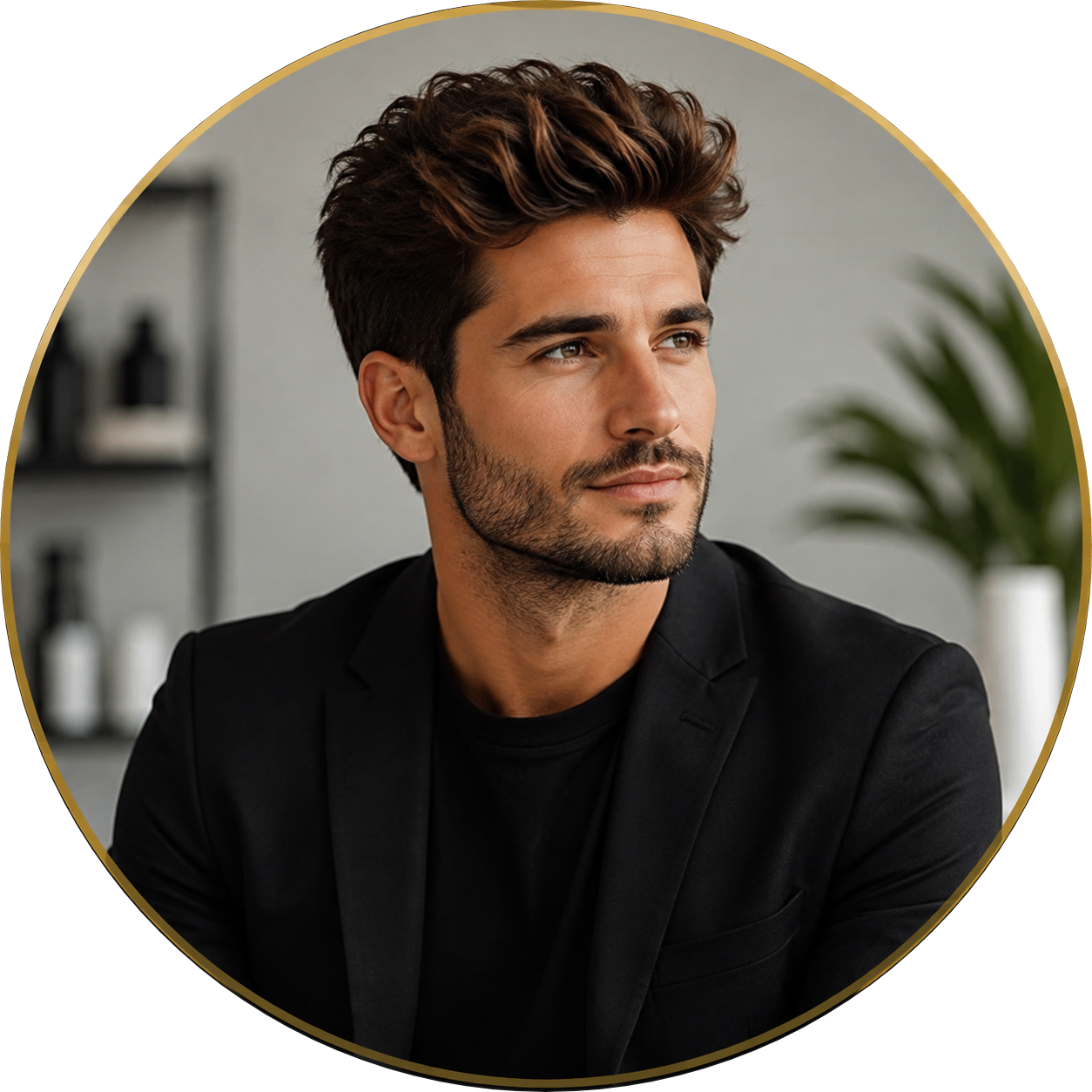
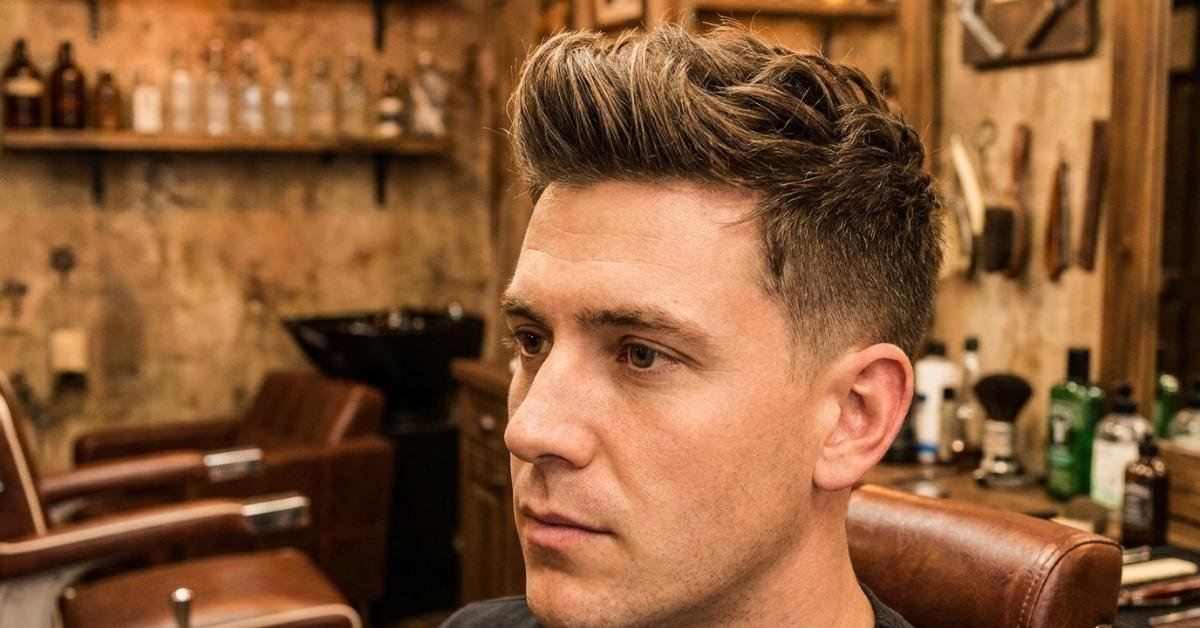
The quiff is one of those rare haircuts that never leaves. It showed up in the 1950s, came back in the 80s, and now sits near the top of the request list in barbershops worldwide. The reason is simple. It adds height, frames the face, and works with a suit just as well as a hoodie.The problem is choice. Ask ten barbers what a quiff is and you may get ten slightly different answers. Some cuts are short and neat. Others are tall, messy, faded, curly, or slicked back.
This guide fixes that. You will find 36 quiff haircut styles, clear advice for every face shape and hair type, exact words to use with your barber, a step-by-step styling routine, product picks, and a maintenance plan. Everything is written in plain language so you can walk into a salon with confidence.
Quick Answer
A quiff haircut is a style where the hair at the front is kept longer and styled upward and back, creating volume above the forehead, while the sides and back are cut shorter.
- Best length on top: 2 to 5 inches (5 to 12 cm)
- Best sides: taper or fade, from low to high
- Core products: blow dryer, texture powder or sea salt spray, then clay, pomade, or wax
- Trim schedule: every 2 to 4 weeks for sharp sides
- Suits: most face shapes, with height adjusted to fit
- Styling time: 5 to 10 minutes once you learn the routine
What Is a Quiff Haircut?
A quiff is a men’s hairstyle with longer hair at the front that is lifted up and swept back or slightly to the side. The sides are shorter, so the top stands out as the main feature. Think of it as a wave of hair that rises above the forehead and flows toward the crown.
The quiff belongs to the same family as the pompadour, the faux hawk, and the flat top. That overlap is why people confuse them. A pompadour is usually taller, stiffer, and more polished. A quiff is looser, lighter, and easier to live with.
The style traces back to the mid-20th century, when rock and roll singers and rockabilly fans pushed their hair up and back with pomade. The pompadour itself has older roots and is linked to Madame de Pompadour, a figure at the court of Louis XV in 18th century France. Today’s quiff keeps that retro spirit but adds modern fades, textures, and softer finishes.
Key parts of a quiff:
- The front section: the longest hair, usually lifted at the hairline
- The crown: where the shape flows back
- The sides: tapered or faded shorter
- The finish: matte, natural, or shiny, depending on the product
Why Is the Quiff Haircut Popular?
The quiff stays popular because it solves several problems at once.
- It is versatile. You can wear it sleek for an interview or messy for a weekend.
- It flatters many faces. Adjusting the height and side length changes how the face looks.
- It adds confidence. Volume at the front creates a stronger, more balanced profile.
- It adapts to hair types. Straight, wavy, curly, thick, and fine hair can all carry a version of it.
- It pairs with modern fades. A skin fade or taper keeps the cut sharp and current.
- It suits many ages. Students, office workers, and men in their 50s all wear it well.
- It has cultural staying power. Film stars, musicians, and athletes keep bringing it back into the spotlight.
Fashion trends move fast, but the quiff keeps returning because it is easy to personalize.
Top 36 Quiff Haircut Styles for Men in 2026
Each style below includes a short description, the best fit, and a quick tip to ask your barber or style it at home.
1. Classic Quiff Haircut

The original look. Hair is kept 3 to 4 inches on top and combed up and back with a clean side taper.
- Best for: Oval and square faces, straight to wavy hair
- Tip: Use a medium-hold pomade and a comb for a polished finish.
2. Modern Quiff Haircut
This version uses a stronger contrast between the longer top and the short sides. The result is sharper and more current.
- Best for: Men who want a fashion-forward cut
- Tip: Ask for faded sides and a top that has been point cut for movement.
3. Short Quiff Haircut

A smaller, neater version with about 2 inches on top. It gives lift without needing much styling skill.
- Best for: Beginners, thinner hair, office settings
- Tip: Use a pea-sized amount of product. Too much will make it look heavy.
4. Long Quiff Haircut
Hair on top stays 4 to 6 inches or more. It creates a dramatic wave and needs more care.
- Best for: Thick or wavy hair, men with patience for styling
- Tip: Use a round brush while blow drying to build height at the front.
5. Textured Quiff Haircut
Layers and razor or point cutting add separation, so the quiff looks lived in rather than combed.
- Best for: Medium to thick hair
- Tip: Finish with matte clay and rake your fingers through the top.
6. Messy Quiff Haircut
A relaxed take with loose, undone movement. It looks casual but still has a shape.
- Best for: Weekend wear, wavy hair, round or oval faces
- Tip: Use sea salt spray, scrunch, and leave it alone.
7. Taper Fade Quiff
The sides gradually shorten toward the neckline and ears, but they are never cut to the skin. It is clean without being extreme.
- Best for: Professional settings and first-timers
- Tip: Ask for a “taper on the sides and neckline, longer on top.”
8. Low Fade Quiff
The fade starts low, just above the ears. It keeps more hair on the sides and gives a subtle shape.
- Best for: Conservative workplaces
- Tip: Pair it with a short to medium top for a balanced look.
9. Mid Fade Quiff
The fade begins around the temple. It is the most common modern choice because it balances boldness and neatness.
- Best for: Most men, most face shapes
- Tip: A mid fade helps narrow a wide face by adding contrast.
10. High Fade Quiff
The fade starts high on the head, near the upper temple. It draws the eye to the top and creates a bold silhouette.
- Best for: Strong jawlines and confident personalities
- Tip: Book regular touch-ups, because high fades grow out quickly.
11. Skin Fade Quiff
The sides fade down to bare skin. It is the sharpest option and shows off the shape of the head.
- Best for: Men with clean head shapes
- Tip: Ask for a “bald fade” if you want zero guard at the bottom.
12. Burst Fade Quiff
The fade curves around the ear in a semicircle, while the back stays longer. It adds an edgy detail that suits textured tops.
- Best for: Curly or wavy quiffs
- Tip: Ask for a burst fade with a connected back if you want a softer neckline.
13. Drop Fade Quiff
The fade line dips down behind the ear, following the curve of the skull. It looks stylish from the side and back.
- Best for: Men who care about the view from every angle
- Tip: Pair it with a swept-back quiff to show off the curve.
14. Undercut Quiff
The sides and back are cut very short with a clear disconnect from the longer top. It creates a strong, bold contrast.
- Best for: Thick hair and men who like a dramatic look
- Tip: Keep the top at least 3 inches so the quiff holds its shape.
15. Slicked Back Quiff
The top is combed back with shine, keeping the front lifted. It leans retro and polished.
- Best for: Formal events, evening wear
- Tip: Use a water-based pomade and a fine-tooth comb for clean lines.
16. Side Part Quiff
A defined part on one side with the front still lifted. It blends office-ready neatness with volume.
- Best for: Business settings, oval and long faces
- Tip: Part where your hair naturally falls to avoid fighting a cowlick.
17. Comb Over Quiff
The top sweeps across to one side while the front keeps some height. It is more structured than a standard quiff.
- Best for: Men who want a smart, tidy look
- Tip: Ask for a disconnected or fade side to sharpen the shape.
18. Curly Quiff Haircut
Natural curls form the volume. The quiff looks bouncy and full without much effort.
- Best for: Curly hair types
- Tip: Use a curl cream, diffuse dry, and avoid brushing.
19. Wavy Quiff Haircut
Waves add natural lift and movement, so the quiff holds a soft, flowing shape.
- Best for: Wavy hair, round and oval faces
- Tip: A light mousse or sea salt spray keeps the wave defined.
20. Thick Hair Quiff
Dense hair gives great height but can feel heavy. Thinning shears or texturizing removes bulk.
- Best for: Thick, strong hair
- Tip: Ask your barber to remove weight from the inside, not the surface.
21. Thin Hair Quiff
A shorter top, with light layers, creates the illusion of fullness. The right cut matters more than the product.
- Best for: Fine or thinning hair
- Tip: Use texture powder at the roots and avoid heavy pomade, which flattens thin hair.
22. Asian Quiff Haircut
Asian hair is often straight and strong, which is perfect for holding a quiff. A textured cut with tapered sides adds lift and movement.
- Best for: Straight, coarse hair
- Tip: Ask for layers on top and use a strong-hold clay to keep the lift all day.
23. Pompadour Quiff
A hybrid with the height of a pompadour and the softness of a quiff. It makes a bold statement without looking stiff.
- Best for: Men who want more drama than a classic quiff
- Tip: Blow dry upward at the front before sweeping back.
24. Beard with Quiff Haircut
A neat beard frames the jaw and balances the height on top. It works especially well on round or soft faces.
- Best for: Men with full or medium beards
- Tip: Blend the beard into the fade for a seamless transition.
25. Razor Fade Quiff
A razor or foil shaver creates a very crisp, smooth fade. It gives the sharpest edges of any quiff.
- Best for: Barbershop regulars who keep up with touch-ups
- Tip: Expect to return every 2 weeks to keep the lines fresh.
26. Disconnected Quiff
The top is separated from the sides with no gradual blend. The contrast gives a bold, graphic look.
- Best for: Thick hair and confident styling
- Tip: Style with matte paste to avoid the “helmet” effect.
27. Quiff with Hard Part
A shaved or razored line marks the part, adding a sharp detail to the cut. It looks vintage and modern at once.
- Best for: Slicked or side-swept quiffs
- Tip: Ask your barber to cut the part with a trimmer, then style it with a comb.
28. Brushed Up Quiff
The hair is brushed upward and back for a clean, lifted look with little shine. It is simple and polished.
- Best for: Medium-length hair, everyday wear
- Tip: Use a vented brush while blow drying, then a touch of matte paste.
29. Spiky Quiff Haircut
Short, defined spikes form the top of the quiff. It has a youthful, energetic feel.
- Best for: Short, strong hair and casual looks
- Tip: Use strong wax and shape in small sections.
30. Professional Business Quiff
A restrained quiff with a low taper, a short top, and a neat side part. It looks sharp without drawing too much attention.
- Best for: Corporate offices and interviews
- Tip: Use a light-hold product with a satin finish.
31. Quiff Mullet
A modern twist that keeps a lifted quiff at the front with extra length at the back. It is bold, playful, and fashion driven.
- Best for: Creative professionals and trend followers
- Tip: Ask for a textured back that blends rather than hangs in a block.
32. Quiff Mohawk Fade
A wider, softer take on the mohawk. The center strip is styled up like a quiff, while the sides fade tight.
- Best for: Men who want a punchy look that is still wearable
- Tip: Keep the center strip wide enough to avoid a full punk look.
33. Low Maintenance Quiff
A short, forgiving cut that grows out gracefully. It needs a quick blow dry and a light product.
- Best for: Busy schedules and first-time quiff wearers
- Tip: Ask for a taper instead of a skin fade, since it looks tidy for longer.
34. Volume Quiff Haircut
Built for height. Layers on top and a strong blow dry create a tall, full front.
- Best for: Round or long faces, thick hair
- Tip: Apply texture powder at the roots before drying for lasting lift.
35. Modern Gentleman Quiff
A refined mix of a classic quiff and clean fade. It is smooth, combed, and ready for formal events.
- Best for: Weddings, work events, date nights
- Tip: Use a medium-shine pomade and finish with a light spray.
36. Trendy Quiff Haircut
A flexible, fashion-aware take that mixes texture, a mid fade, and a slightly messy finish. It reflects what many barbers are cutting right now.
- Best for: Men who want to look current without effort
- Tip: Bring a recent photo, because trends shift quickly.
Best Quiff Haircut for Your Face Shape
A quiff works because it changes proportions. The general rule is simple. Add height when the face is round or short, and keep the top lower when the face is long.
| Face shape | Best quiff styles | Why it works | What to avoid |
| Oval | Classic, modern, side part, slicked back | Balanced proportions suit almost any version | Very little to avoid |
| Round | Volume quiff, high fade quiff, textured quiff | Height adds length and sharp sides add definition | Flat tops with no volume |
| Square | Classic quiff, mid fade, side part quiff | Soft texture balances strong angles | Very boxy, rigid shapes |
| Long / Oblong | Short quiff, low fade, side swept | A lower top avoids adding extra length | Tall pompadours |
| Heart | Textured quiff, low taper, medium length | Fuller sides balance a narrow chin | Very high fades |
| Diamond | Side part quiff, textured quiff, medium fade | Softer fronts balance wide cheekbones | Tight, slicked-back styles |
Quick rule of thumb: the longer and thinner the face, the less height you want. The rounder and wider the face, the more height you can use.
How to Ask Your Barber for a Quiff Haircut
Most bad haircuts come from poor communication. A short, clear brief gets you the right result.
Choose Your Preferred Quiff Length
Tell your barber how much hair you want on top. Use inches or centimeters, since “a little off” means different things to different people. For example: “Keep 3 inches on top, with the front a bit longer.”
Decide on the Fade or Taper
Say which type of fade you want and where it should start. Low, mid, and high all create different looks. A taper is a softer option. If you are unsure, ask for a mid taper and adjust next time.
Discuss Texture and Volume
Explain whether you want a sleek or textured finish. Ask your barber to layer or point cut the top if you want movement. If your hair is thick, mention that you want weight removed.
Show Reference Photos
A photo works better than any description. Show one or two pictures from the front and the side. Choose models with similar hair type to yours.
Mention Your Styling Routine
Be honest about how much time you will spend. If you only have five minutes, say so. A good barber will adjust the cut so it is easy to style at home.
Sample script: “I would like a quiff with a mid taper. Keep about 3 inches on top, texturized, and blend the sides cleanly. I usually blow dry and use clay.”
How to Style a Quiff Haircut (Step-by-Step Tutorial)
Once you learn the routine, it takes under 10 minutes.
What you need: a towel, a blow dryer, a vented brush or comb, a pre-styler, and your styling product.
Step 1: Wash and Towel Dry Your Hair
Start with clean, damp hair. Pat it with a towel instead of rubbing, which causes frizz. Leave it slightly damp, not dripping.
Step 2: Apply a Pre-Styling Product
Work a small amount of sea salt spray, mousse, or texture powder into the roots. This builds grip and helps the quiff hold its lift.
Step 3: Blow Dry for Maximum Volume
Blow dry the front upward and back, using a brush or your fingers. Keep the dryer pointing down the hair shaft to reduce frizz. Dry the sides flat. Finish with a short blast of cool air to set the shape.
Step 4: Create the Quiff Shape
Use a comb or your fingers to lift the front and shape the wave. Sweep the hair back and slightly to the side. Check your profile in a mirror.
Step 5: Apply Styling Product
Warm a coin-sized amount of product between your palms until it spreads evenly. Work it through from back to front, then lift the front last. Add more only if needed.
Step 6: Lock the Style in Place
Use a light hairspray to hold the shape. Hold the can about 8 inches away. For a natural look, choose a flexible-hold spray.
Pro tip: If the quiff droops by midday, the cause is usually too much product or skipping the blow dry.
Best Hair Products for a Quiff Haircut
The right product depends on your hair type and the finish you want.
| Product | Finish | Hold | Best for |
| Matte clay | Natural, dry | Strong | Textured and messy quiffs |
| Pomade | Shiny | Medium to strong | Classic and slicked quiffs |
| Hair wax | Semi-matte | Strong | Short, spiky, or thick hair |
| Texture powder | Matte | Light to medium | Fine hair and root lift |
| Sea salt spray | Beachy | Light | Wavy hair and pre-styling |
Matte Clay for Natural Texture
Clay gives strong hold with no shine. It is ideal for a modern, textured quiff that looks natural. Use a small amount and warm it well.
Pomade for Shine
Pomade creates the polished, retro look. Water-based pomades wash out easily. Oil-based ones last longer but need more shampoo.
Hair Wax for Strong Hold
Wax is best for short or thick hair that needs control. It keeps shape all day and allows restyling.
Texture Powder for Volume
Texture powder adds grip and lift at the roots. It is a favorite for fine or thinning hair because it adds body without weight.
Sea Salt Spray for Movement
Sea salt spray adds grit and a lived-in feel. Use it as a base layer before blow drying, especially on wavy hair.
Best Quiff Haircuts Based on Hair Type
Straight Hair Quiff
Straight hair holds a clean, sleek quiff well. It can look flat without product, so use texture powder or mousse at the roots. Classic, slicked back, and side part quiffs are strong options.
Wavy Hair Quiff
Waves create natural lift and movement. Keep the sides tapered and let the top flow. A textured or messy quiff makes the most of the pattern.
Curly Hair Quiff
Curls add instant volume. Keep the sides short to give the curls shape. Use curl cream and diffuse dry. Avoid brushing, which breaks up the curl pattern.
Thick Hair Quiff
Thick hair has plenty of height but can feel bulky. Ask for thinning or internal layering. A strong-hold clay or wax will keep it in place.
Thin Hair Quiff
Fine hair needs a shorter top and light products. A short quiff with a low taper creates the look of density. Use a blow dryer and texture powder instead of heavy pomade.
Quiff Haircut vs Pompadour
The two styles are close relatives, and some barbers treat the pompadour as a type of quiff. Still, there are clear differences.
Main Differences
- Quiff: looser, lighter, more natural, with soft volume at the front.
- Pompadour: taller, stiffer, and usually slicked with a defined shape and shine.
Styling Requirements
A quiff needs a blow dry and a light to medium product. A pompadour needs more time, more hold, and often a comb for clean lines. Pompadours also need longer hair on top.
Which Style Offers More Volume?
The pompadour usually wins for sheer height. A quiff can still look full, but it is meant to look relaxed and wearable.
Which One Is Easier to Maintain?
The quiff is easier. It grows out more gracefully, needs less product, and can be restyled quickly. For most men, it is the practical choice.
| Feature | Quiff | Pompadour |
| Height | Medium | High |
| Finish | Natural or textured | Sleek and polished |
| Hold needed | Light to medium | Medium to strong |
| Styling time | 5 to 10 minutes | 10 to 15 minutes |
| Maintenance | Lower | Higher |
Quiff Haircut vs Comb Over
Key Differences
A quiff lifts hair up and back for volume. A comb over sweeps hair to one side with a defined part and a flatter profile. Some modern versions mix the two.
Best Face Shapes for Each Style
- Quiff: round, square, and oval faces benefit from the height.
- Comb over: oval, long, and diamond faces suit the cleaner line.
Which Haircut Looks More Modern?
Both can look current. The quiff feels more energetic and textured. The comb over feels sharper and more formal. A fade on either one keeps it up to date.
Quiff Haircut Maintenance Tips
Trim Every 2–4 Weeks
Fades and tapers lose their shape fast. Visit your barber every 2 to 4 weeks, or sooner if you wear a skin fade. Longer tops can be trimmed every 4 to 6 weeks.
Use Quality Hair Products
Cheap, sticky products can dry out your hair and build up on the scalp. Choose products that match your hair type, and wash them out each night.
Avoid Excessive Heat Damage
Blow drying is important, but too much heat causes dryness and breakage. Use a medium heat setting, keep the dryer moving, and apply a heat protectant if you dry daily.
Keep Hair Hydrated
Use a gentle shampoo and a conditioner suited to your hair type. Do not wash every day if your hair is dry, since over-cleansing removes the natural oils that help a quiff stay flexible.
Maintain Fade Regularly
Between visits, a small trimmer can clean up the neckline. Avoid cutting the fade yourself unless you are experienced, as uneven lines are hard to fix.
Common Quiff Haircut Mistakes to Avoid
Using Too Much Product
More product does not mean more hold. It makes hair look greasy and heavy, and it flattens the volume. Start small and add as needed.
Skipping Blow Drying
Blow drying sets the foundation. Without it, even the best cut falls flat. Even two minutes of lift at the roots makes a visible difference.
Choosing the Wrong Hair Length
Too short and there is nothing to lift. Too long and the quiff collapses. Aim for 2 to 5 inches on top, depending on your hair type.
Ignoring Face Shape
A tall quiff on a long face adds extra length. A flat style on a round face removes balance. Match the height and fade to your proportions.
Neglecting Regular Trims
A grown-out fade looks messy and hides the structure of the cut. Keep to a regular schedule to keep the style sharp.
Conclusion
The quiff has lasted for decades because it adapts. You can keep it short and neat, grow it long and bold, add a fade for edge, or let natural texture do the work.To get it right, start with your face shape and hair type. Give your barber clear instructions and a reference photo.
Learn the simple routine of towel drying, blow drying, and styling with the right product. Then keep up with trims every few weeks.Pick one of the 36 styles above, bring it to your next appointment, and adjust it until it feels like yours.
FAQs
What is a quiff haircut?
A quiff is a hairstyle with longer hair at the front, styled upward and back, and shorter sides. It creates volume above the forehead.
How long should my hair be for a quiff?
Aim for 2 to 5 inches (5 to 12 cm) on top. Shorter lengths suit a short quiff, and longer lengths suit a bold, voluminous look.
What is the difference between a quiff and a pompadour?
A quiff is looser and more natural. A pompadour is taller, stiffer, and more polished.
Can I get a quiff with thin hair?
Yes. Choose a short quiff with light layers, and use texture powder to add body. Avoid heavy pomades.
Can I get a quiff with curly hair?
Yes. Curls add natural volume. Keep the sides short and use curl cream to define the shape.
Which face shape suits a quiff best?
Oval and square faces suit most quiffs. Round faces benefit from extra height, and long faces look best with a shorter top.
How often should I trim a quiff?
Trim the sides every 2 to 4 weeks to keep the fade sharp. The top can be trimmed every 4 to 6 weeks.
What products work best for a quiff?
Matte clay suits a natural look, pomade suits a sleek finish, and texture powder helps fine hair. Wax works well for short or thick hair.
How long does it take to style a quiff?
Once you know the routine, it takes about 5 to 10 minutes, including blow drying.
Is a quiff professional enough for work?
Yes. A short quiff with a low taper and a neat side part looks polished in most offices.