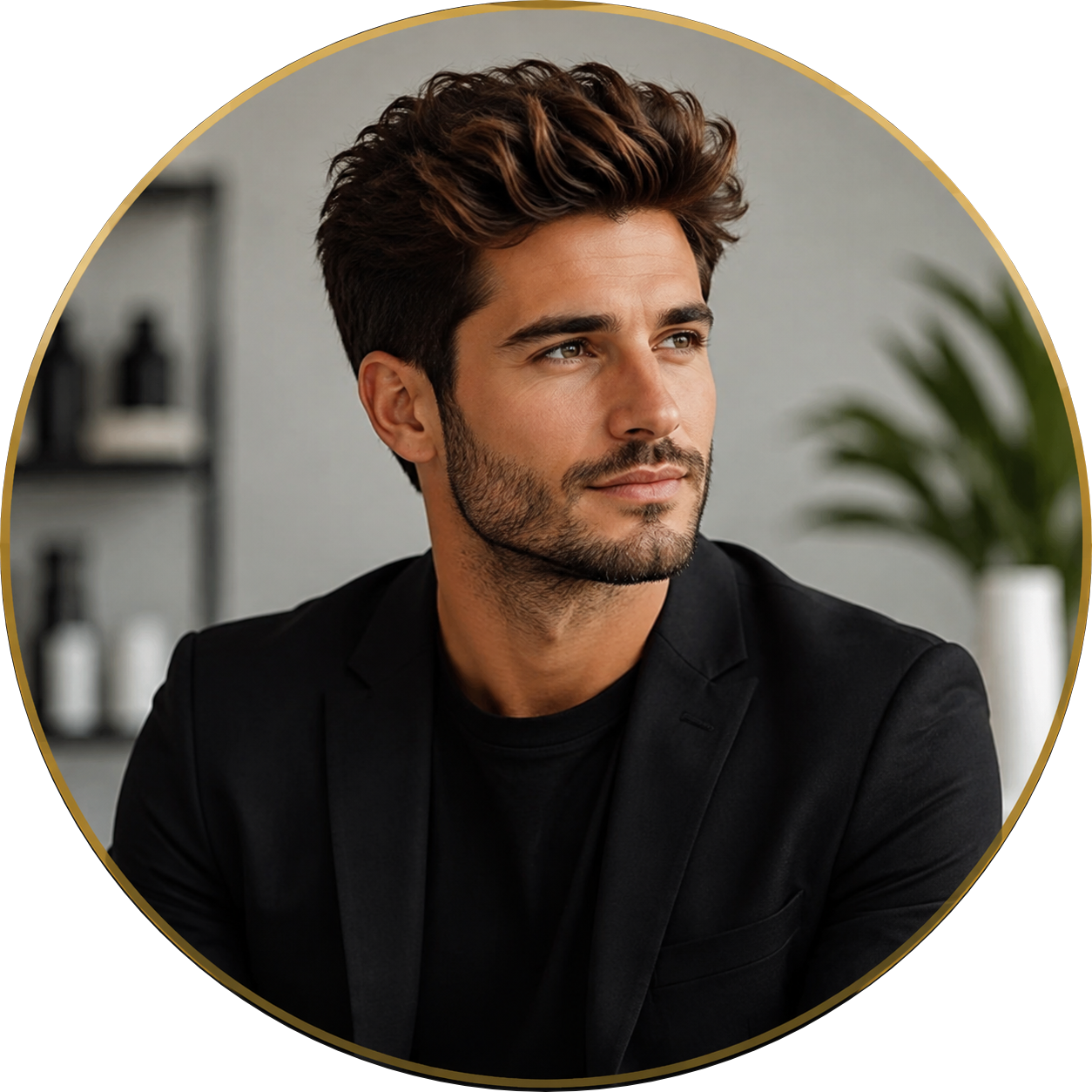
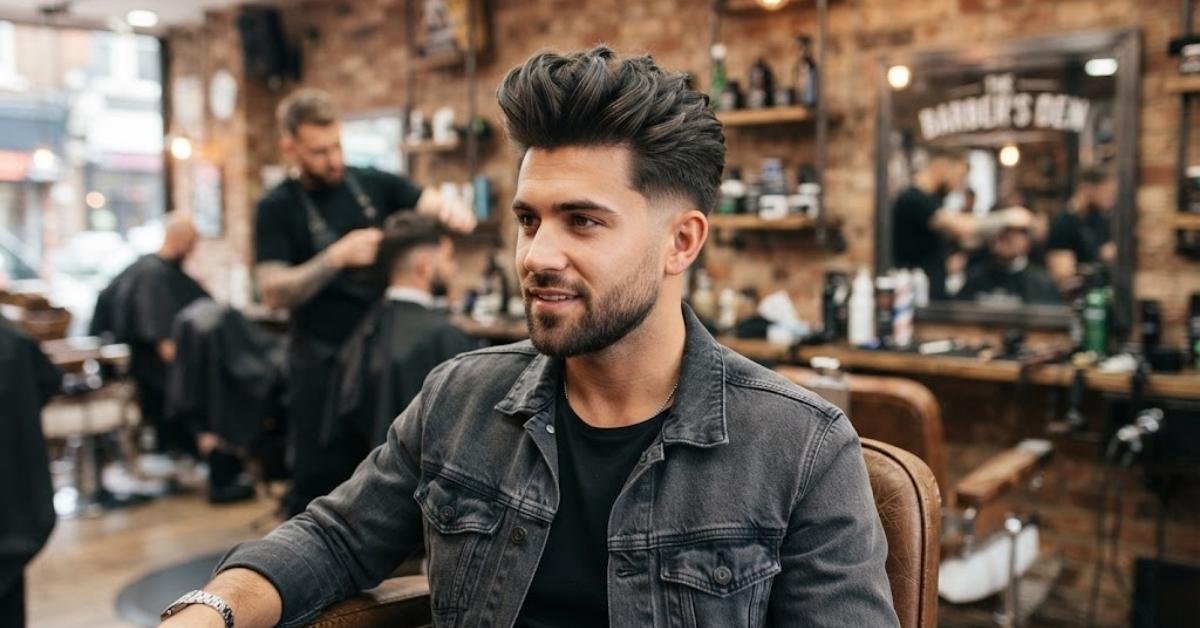
The quiff has been a men’s grooming staple since the 1950s, and it shows no sign of slowing down in 2026. It’s one of the rare haircuts that works in a boardroom and a nightclub with equal confidence, mostly because it isn’t really one haircut at all. It’s a shape you can bend to fit your hair type, your face, and your personal style, whether that means sleek and structured or loose and lived in.
If you’ve been scrolling through barbershop photos trying to figure out which version suits you, you’re in the right place. Below is a complete breakdown of 28 quiff variations men are asking for right now, plus honest advice on what a quiff actually is, how to talk to your barber about it, and which style pairs best with your face shape.
Trendy Men’s Quiff Haircut Ideas
Every quiff on this list starts from the same basic idea: shorter hair on the sides and back, with longer hair on top that gets brushed, blow dried, or combed upward and slightly back. From there, the differences come down to length, texture, fade style, and finish. Here’s a closer look at each one.
Classic Quiff
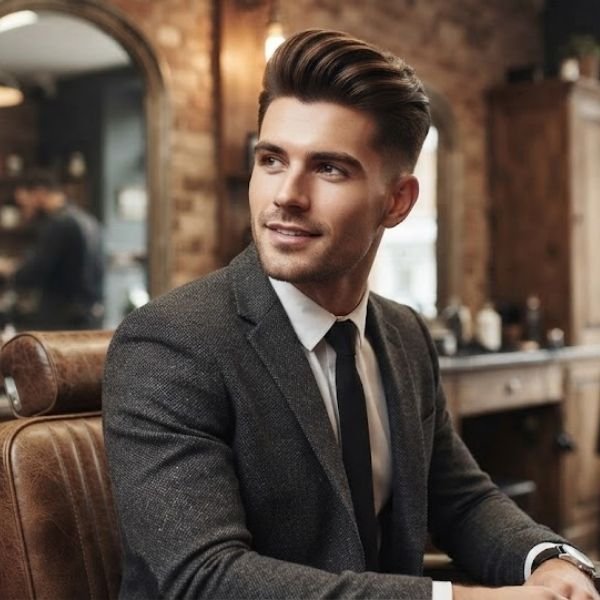
The classic quiff is the original template that every other version borrows from. Hair on top sits around three to five inches long, combed up and back with a light backward angle rather than a straight vertical lift. The sides are trimmed close, either scissor blended or dropped into a short taper, and the finish is smooth rather than glossy. It’s the safest option if you want a quiff that reads as polished at work and relaxed on weekends.
Messy Quiff
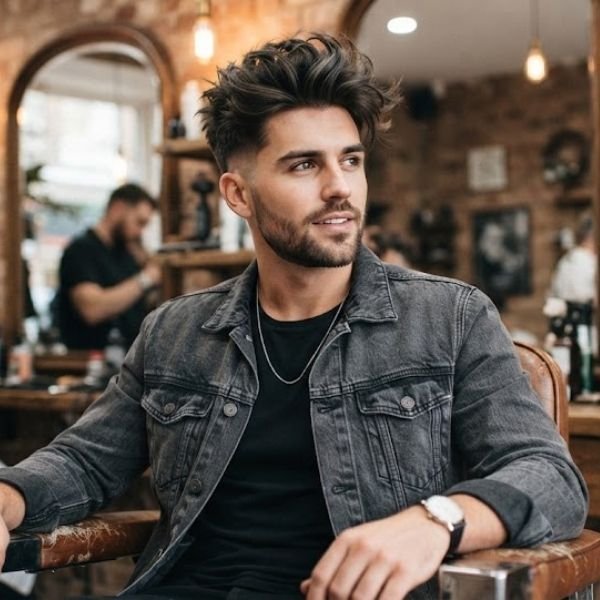
This is the quiff’s more relaxed sibling. Instead of a smooth, combed finish, the hair is worked with fingers and a matte paste so individual pieces separate and move on their own. It looks a little undone, but that’s the point. It suits men who want personality in their haircut without committing to something dramatic, and it’s forgiving if you’re not great with a comb in the morning.
Textured Quiff
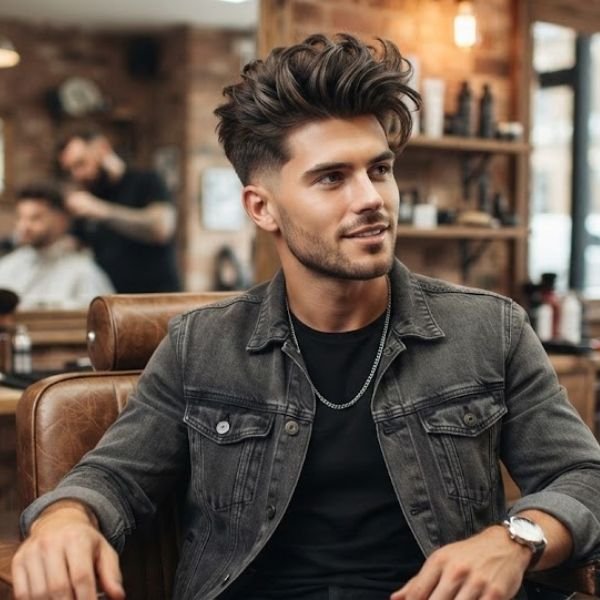
A textured quiff relies on layered cutting rather than length to create movement. The barber removes weight from the top so the hair has natural lift and grip, which means you need less product to hold the shape. This version tends to look fuller and more dimensional in photos, and it works especially well on straight or slightly wavy hair that would otherwise sit flat.
Modern Quiff
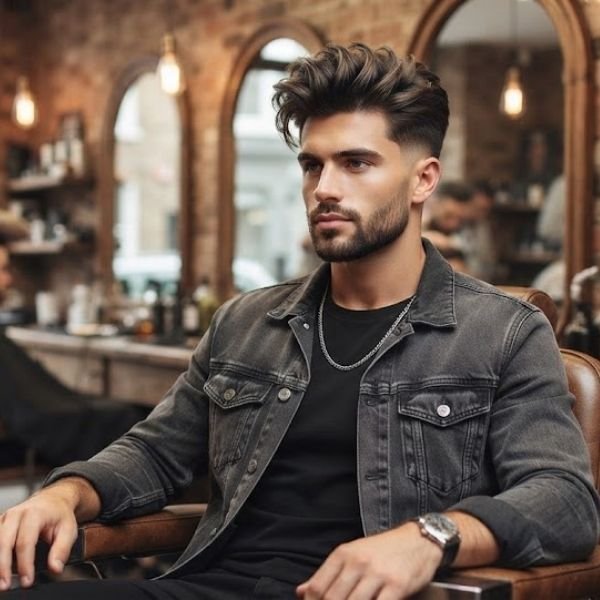
The modern quiff trades the old rockabilly shine for a matte, natural finish. Height is softer and less exaggerated than the classic style, the sides usually carry a fade rather than a taper, and the overall look feels more casual and current. If you want a quiff that doesn’t scream “1950s throwback,” this is the direction to ask for.
Short Quiff
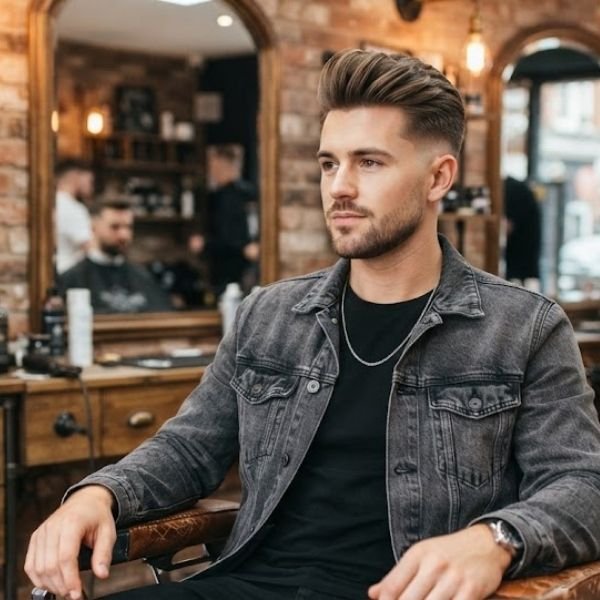
For men who don’t want to deal with long hair on top, the short quiff keeps everything tight. There’s just enough length at the front to create a small lift, paired with short, neat sides. It’s a low-maintenance option that still gives you that signature swept-up front, and it grows out gracefully between barber visits.
Quiff Fade
Pairing a quiff with a fade is one of the most requested combinations in barbershops today. The sides blend gradually from skin to longer hair, creating sharp contrast against the volume on top. This version photographs well and gives an instantly sharper, more put-together appearance than a basic taper.
Medium Quiff
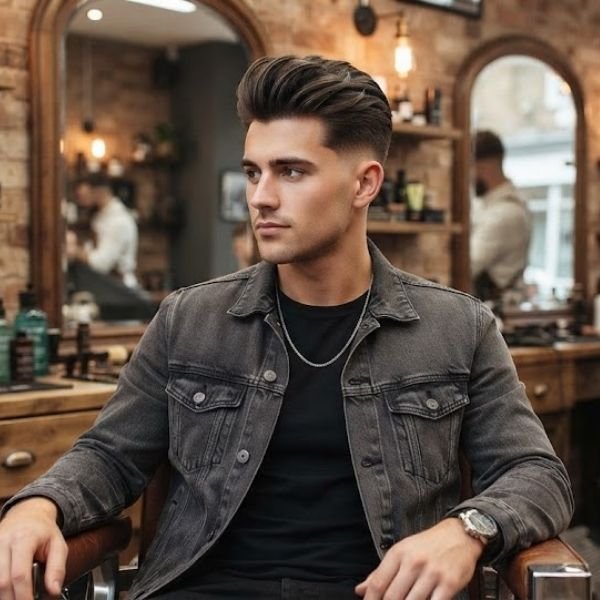
Sitting between the short and long versions, the medium quiff gives you enough length to style multiple ways depending on your mood, whether that’s swept straight back, angled to one side, or left slightly messy. It’s a flexible middle ground for men who aren’t ready to commit to a dramatic look but still want options.
Quiff with Beard
Pairing a quiff with a well-groomed beard creates a balanced, masculine silhouette, since the volume on top is offset by fullness along the jaw. This combination works particularly well on longer or narrower face shapes, where the beard adds width and the quiff adds height without over-elongating the face.
Short Quiff with Low Taper Fade
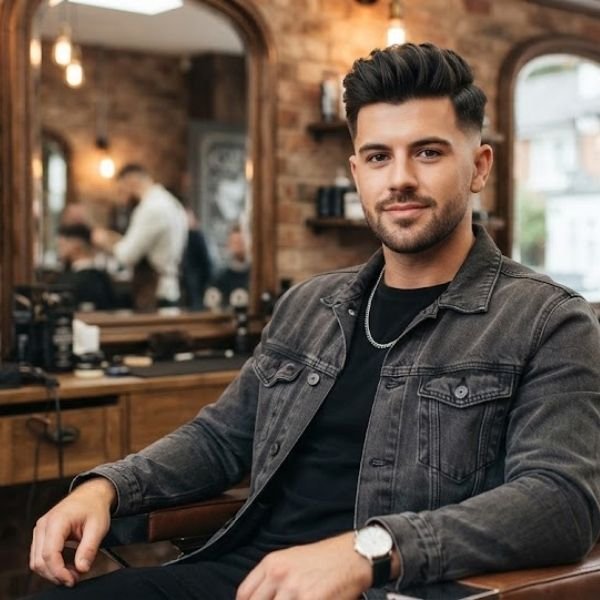
This variation keeps the top short and the fade subtle, starting low near the ears rather than climbing high up the head. It’s an understated, office-friendly option that still has a defined shape and a bit of edge, without drawing too much attention.
Tousled Textured Quiff with Low Fade
Here the top is left longer and tousled by hand for a lived-in texture, while the sides taper down gradually into a low fade. The contrast is soft rather than sharp, which makes this a good pick for men who want a fade without the high-impact, buzzed-side look.
Wavy Quiff
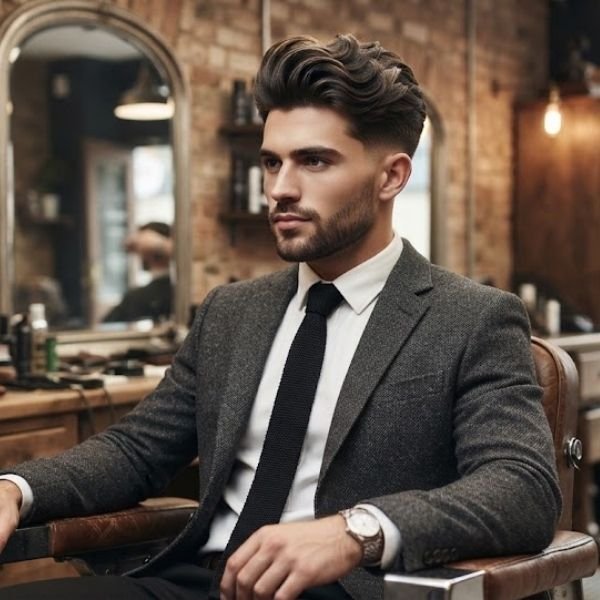
Natural waves add texture that a quiff can really show off. Instead of fighting the wave pattern with heavy product, this style works with it, letting the hair fall into soft, natural-looking ridges as it sweeps back. A light sea salt spray or matte cream usually brings out the best in this texture.
Short Textured Quiff with Mid Fade
A mid fade sits between low and high, blending around the temple area for a balanced, versatile contrast. Combined with a short, textured top, this look is clean enough for formal settings but still has enough movement to avoid looking stiff.
Messy Quiff with Taper Fade
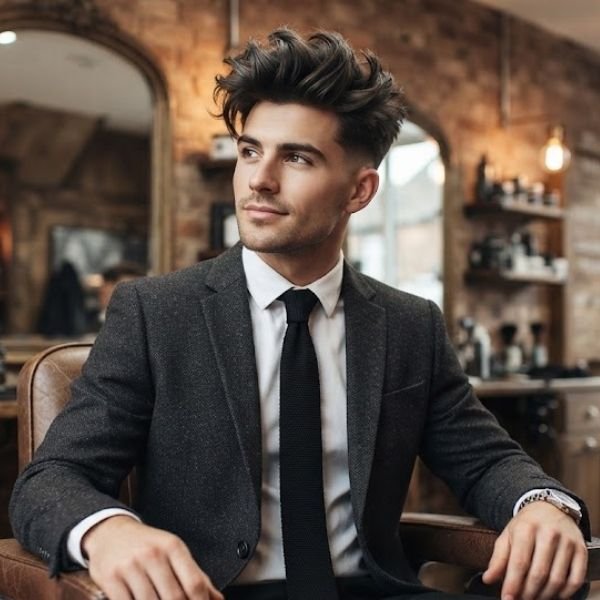
This version softens the sharp lines of a fade with a deliberately undone top. The taper keeps the sides gradual rather than dramatic, so the overall look leans casual, and the messy front gives it a bit of youthful energy.
Long Quiff
For men who have the length and patience to grow out the top, the long quiff delivers serious volume and drama. It usually needs a strong-hold product and a blow dryer to hold its shape through the day, but the payoff is a bold, statement-making silhouette.
Thick Quiff Fade
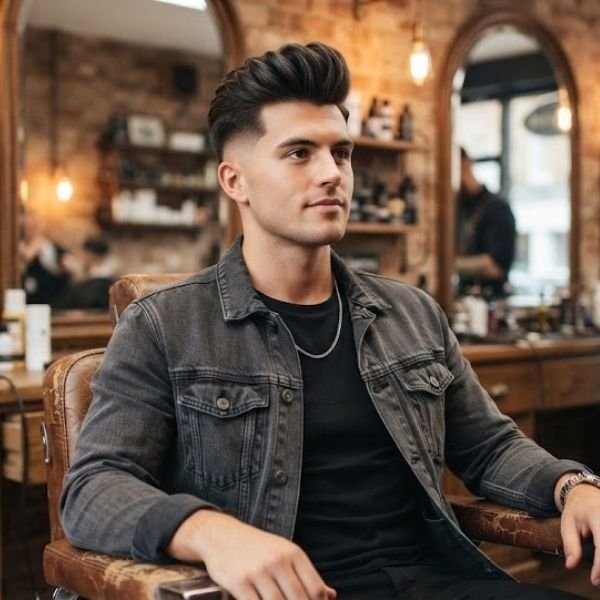
Naturally thick hair holds a quiff shape exceptionally well because it already has built-in volume and grip. Paired with a fade on the sides, this combination creates a striking contrast between the dense, structured top and the clean-cut sides.
Full Textured Quiff with Low Skin Fade
This style keeps maximum fullness on top while the sides fade all the way down to skin at a low point. The result is a dramatic top-to-side contrast without the fade climbing too high, which keeps the overall look grounded and mature.
Tousled Short Quiff with Low Fade
A shorter take on the tousled quiff, this style is easy to maintain because there’s less length to manage. A little texturizing cream worked through damp hair gives it that just-out-of-bed look while the low fade keeps things tidy underneath.
Messy Wavy Quiff with Low Taper
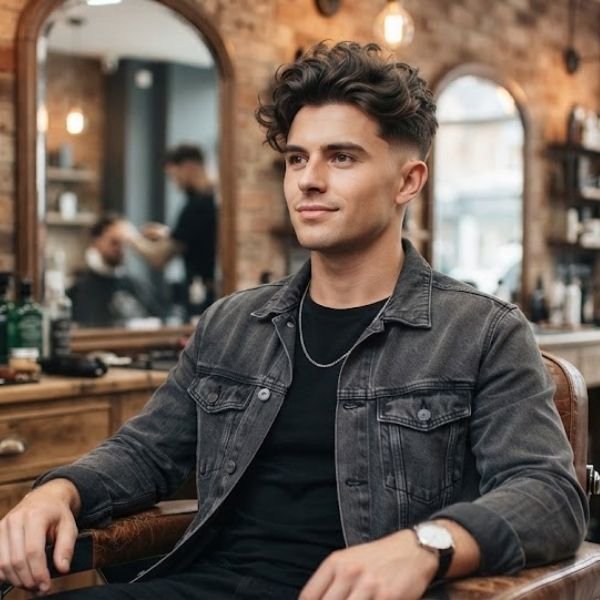
Combining natural wave with a messy finish and a subtle taper gives this style a relaxed, beachy feel. It’s a great option for casual settings and works especially well through spring and summer months.
Natural Quiff with High Fade
This version skips heavy styling products in favor of letting the hair’s natural texture do the work, paired with a high fade that creates maximum contrast on the sides. It’s a bold, modern combination that still feels effortless up top.
Undercut Quiff
The undercut quiff features a hard, disconnected line between the long top and the very short or shaved sides, rather than a gradual blend. It’s one of the edgier variations on this list and tends to suit men who want a statement haircut rather than a subtle one.
Youthful Short Quiff with Drop Fade and Beard
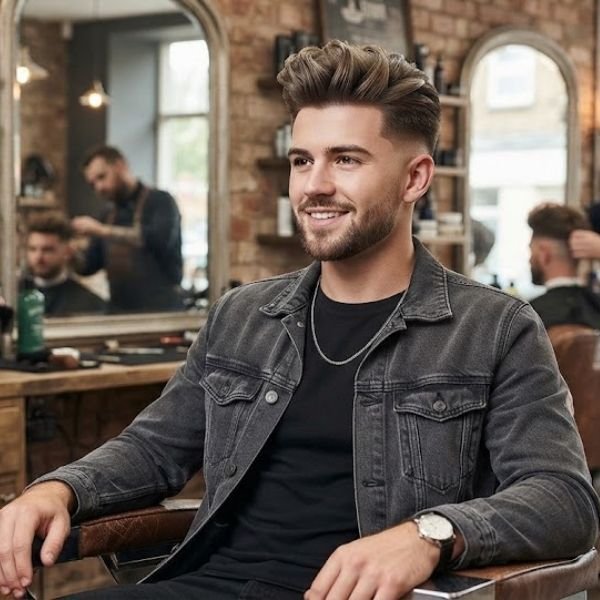
A drop fade curves lower behind the ear instead of staying level, which adds a softer, more youthful shape to the sides. Paired with a short quiff and a light beard, this combination feels fresh and current without being overdone.
Textured Quiff with Sharp Fade
Sharp, crisp fade lines paired with a textured, movement-heavy top create a nice tension between precision and casualness. This is a popular choice for men who want their haircut to look intentional even when the top is styled loosely.
Edgy Blonde Quiff
Lightening the top through balayage or full bleach adds instant contrast and edge to a quiff, especially when paired with darker natural roots or a fade underneath. It’s a bolder, more fashion-forward option that stands out in a crowd.
Long Quiff Fade
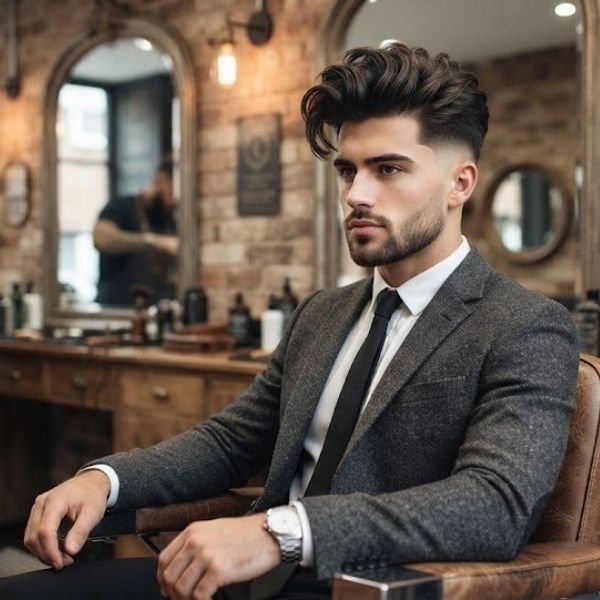
This combines serious length and volume on top with a defined fade on the sides, giving you the drama of a long quiff without it looking overgrown or unkempt. It requires more daily styling time but delivers a memorable, high-impact result.
Straight Smooth Quiff with Mid Skin Fade
For men with naturally straight hair, this version leans into a sleek, smooth finish rather than texture, brushed cleanly upward and back. The mid skin fade adds definition without overwhelming the polished look on top.
Curly Quiff
Curly hair brings natural volume and spring to a quiff, so the front often needs less product to hold height than straight hair would. A curl-defining cream rather than a heavy pomade usually gives the cleanest, most defined result.
Pompadour Quiff
This hybrid borrows the pompadour’s height and structure at the front while keeping the quiff’s shorter, more casual sides. It’s a good middle-ground pick for men who want more drama than a standard quiff but aren’t ready for a full pompadour.
Textured Fringe Quiff
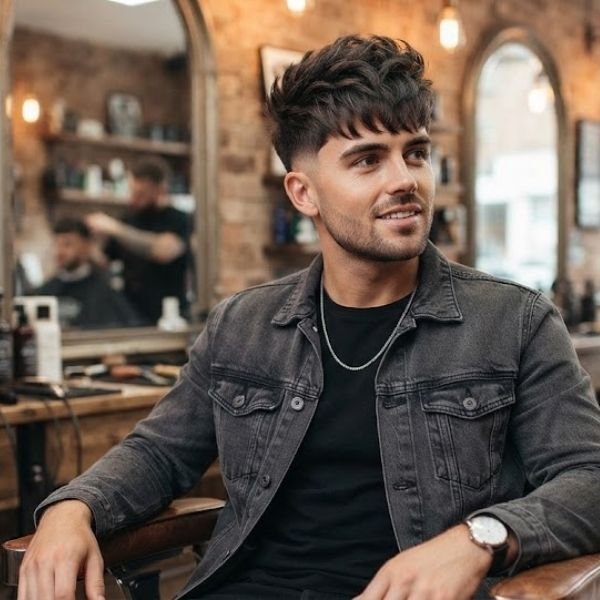
Instead of sweeping all the hair straight back, this version lets a piece of fringe fall forward over the brow while the rest lifts and moves back. It softens the forehead and adds a slightly rougher, more casual edge to the overall shape.
Disconnected Quiff
A disconnected quiff creates a deliberate, visible break between the length on top and the sides, usually through a hard part or an undercut line, rather than a smooth blend. It’s a striking, modern option for men who like sharp, graphic haircuts.
What Is A Quiff Haircut?
A quiff is a men’s hairstyle built around volume at the front and top of the head, where the hair is combed or brushed upward and back to create height, while the sides and back stay noticeably shorter. It draws its shape from the pompadour, though it’s generally softer, less structured, and easier to maintain day to day.
The style traces back to the 1950s, when it became closely associated with rock and roll culture and rebellious youth style. Over the following decades it moved in and out of fashion, resurfacing in the 1980s new wave scene and again in the 2010s alongside the rise of skin fades and textured crops. Today’s quiff has largely dropped the heavy grease and glossy finish of its earlier decades in favor of matte pastes, clays, and natural-looking texture.
Part of the reason the quiff has stayed relevant for over seventy years is its adaptability. It works with straight, wavy, and curly hair. It suits most face shapes, particularly oval, square, and round faces, since the added height can balance out different proportions. And it can be dressed up with a sharp fade and clean lines for formal occasions or worn loose and textured for a more relaxed, everyday look. Few haircuts offer that same range without losing their core identity.
Final Thought
With 28 variations to choose from, there’s genuinely a quiff for almost every man, regardless of hair type, face shape, or how much time you want to spend styling in the morning. If you’re unsure where to start, bring a reference photo to your barber, be specific about the length on top and the fade you want on the sides, and don’t be afraid to ask questions before the clippers come out. The quiff has survived seven decades of changing trends because it’s genuinely versatile, and with the right cut and a little product, it can look just as sharp on you.
FAQs About Quiff Hairstyle Men
What do I tell my barber for a quiff?
Ask for short sides with longer hair on top, then specify the exact length in inches or clipper guard numbers, the type of fade or taper you want, and whether you prefer a matte, textured finish or a sleeker, smoother look.
What is the difference between fringe and quiff?
A fringe is hair that falls forward and down over the forehead, while a quiff is hair that’s lifted and swept upward and back away from the face.
What face shape is a quiff for?
A quiff generally suits oval, square, and round face shapes best, since the added height and volume help balance facial proportions, though most face shapes can wear some variation of it.
Is quiff attractive?
Yes, the quiff is widely considered an attractive, timeless style because it adds structure and volume that highlights the jawline, cheekbones, and overall facial symmetry.
What is a modern quiff haircut?
A modern quiff typically pairs a softer, more natural front with a skin fade or taper on the sides, uses matte styling products instead of heavy shine, and leans on texture rather than a rigid, combed shape.